
CHOOSING A COMMERCIAL ICE MACHINE FOR YOUR VENUE
Ice is one of those things nobody notices until it runs out. In a bar, cafe, or restaurant, it is a quiet workhorse behind almost every drink served. A good commercial ice machine keeps service smooth, drinks cold, and guests happy. The wrong one causes shortages, safety issues, and headaches at the worst moments.
PHOTO CREDIT | Unsplash/Louis Hansel
Choosing well means matching the machine to how your venue actually works. Suppliers such as Toronto Commercial Ice Machines help operators find units sized and built for the demands of real service. This guide covers why ice quality matters, which ice type fits your venue, how to keep ice safe, and how to choose the right machine.
Why Does Ice Quality Matter In Hospitality?
Ice is classed as a food, so its quality and safety matter just as much as any ingredient. Poor ice can affect taste, dilute drinks unevenly, and even pose health risks. A reliable machine protects both the guest experience and your reputation. In hospitality, the small details like ice quietly shape how a venue is judged.
Ice matters for clear reasons:
Safety. Ice is food and must be kept clean.
Quality. Good ice chills without watering drinks down.
Consistency. Reliable supply keeps service moving.
Reputation. Cloudy or off ice puts guests off fast.
Busy periods, much like an Oktoberfest food and drink rush, test an ice machine to its limits. A unit that cannot keep up turns a good night into a scramble. Getting ice right is part of getting hospitality right.
Which Type of Ice Machine Fits Your Venue?
Not all ice is the same, and the right type depends on what you serve. Different ice shapes suit different drinks and uses. Choosing the wrong format can frustrate staff and guests alike. Matching ice to your menu is the first real decision.
The common ice types include:
Cube ice. Slow-melting, ideal for most bar drinks.
Nugget ice. Chewable and popular for soft drinks.
Flake ice. Great for displays and food service.
Gourmet ice. Clear, slow-melting for premium cocktails.
Guest expectations in a polished hotel and hospitality setting differ from those in a casual cafe. A high-end bar may want clear gourmet cubes, while a fast cafe needs volume. Pick the ice format that fits how your venue serves.
How Do You Keep Ice Safe and Clean?
Because ice is a food, keeping the machine clean is a daily responsibility, not an afterthought. Ice machines are warm, damp, and prone to mould, slime, and bacteria without care. A simple cleaning routine prevents most problems. Good habits protect guests and keep inspectors satisfied.

PHOTO CREDIT | Unsplash/Olena Bohovyk
Keep ice safe with these habits:
Clean regularly. Sanitize the machine on a set schedule.
Use a scoop. Never handle ice by hand.
Check water. Filter the supply feeding the unit.
Inspect often. Watch for slime, scale, or odors.
The CDC notes that ice machines can harbor contamination and should be cleaned regularly to stay safe. Industry guidelines on handling ice in foodservice spell out safe production and storage practices. Treat ice with the same care as any food, and it stays safe.
How Do You Choose the Right Machine?
The best ice machine fits your space, volume, and workflow. Oversizing wastes money and energy, while undersizing causes shortages mid-service. Matching capacity to real demand is the goal. A knowledgeable supplier makes that choice far easier.
Weigh these factors before buying:
Capacity. Size for your busiest 24 hours.
Space. Measure carefully, including clearance for airflow.
Cooling type. Choose air or water cooling to suit.
Energy use. Efficient units cut long-term running costs.
A typical busy bar can get through 150 to 300 pounds of ice a day, so sizing matters enormously. Buying for your peak service, not your quietest shift, prevents shortages when it counts. A good supplier helps you match the unit to your real numbers.
Ice That Keeps Your Venue Running
Choosing a commercial ice machine is a bigger decision than it first appears, because ice touches almost everything a venue serves. Treat ice as the food it legally is, match the ice type to your drinks and menu, and keep the machine clean with a simple daily routine. Size the unit to your busiest periods, mind the space and cooling type, and favor energy-efficient models to keep running costs down. Get those choices right, and a reliable ice machine quietly keeps your service smooth, your drinks cold, and your guests coming back.
Frequently Asked Questions
What Size Commercial Ice Machine Do I Need?
Size it to your busiest 24-hour period, not an average day. A small cafe may need well under 100 pounds daily, while a busy bar can use 150 to 300 pounds or more. Undersizing causes shortages mid-service, while oversizing wastes money and energy. Estimate your peak demand honestly, add a margin for growth, and ask a supplier to help match capacity to your real numbers.
What Type of Ice Is Best for a Bar?
It depends on the drinks you serve. Cube ice is the versatile standard for most bar drinks because it melts slowly and chills well. Nugget ice suits soft drinks and casual venues, flake ice works for displays and food, and clear gourmet ice elevates premium cocktails. Many bars use more than one type. Matching the ice format to your menu keeps both staff and guests happy.
How Often Should a Commercial Ice Machine Be Cleaned?
Regularly and on a set schedule, since ice machines are warm and damp and can harbor mold, slime, and bacteria. Most manufacturers and health authorities recommend a thorough cleaning and sanitizing at least a few times a year, with routine checks far more often. Because ice is legally a food, keeping the unit clean is a daily responsibility that protects guests and keeps you ready for inspection.
Should I Choose an Air-Cooled or Water-Cooled Machine?
Both have their place. Air-cooled machines are common, cost less to run, and suit well-ventilated spaces, though they add heat to the room. Water-cooled units handle hot or cramped environments better but use more water and may face local restrictions. The right choice depends on your venue's space, ventilation, and climate. A supplier can help you weigh the trade-offs for your specific setup.
The Latest



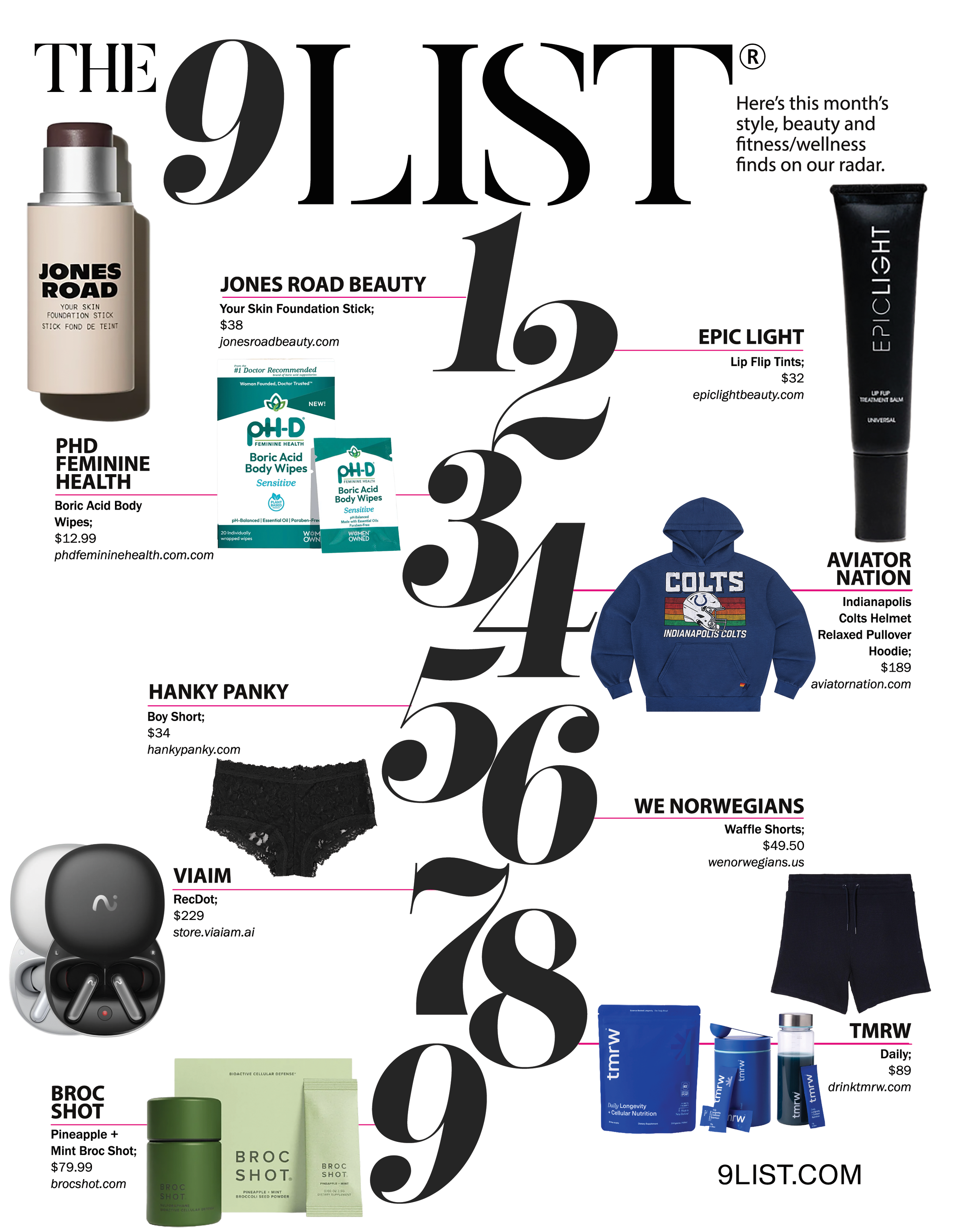
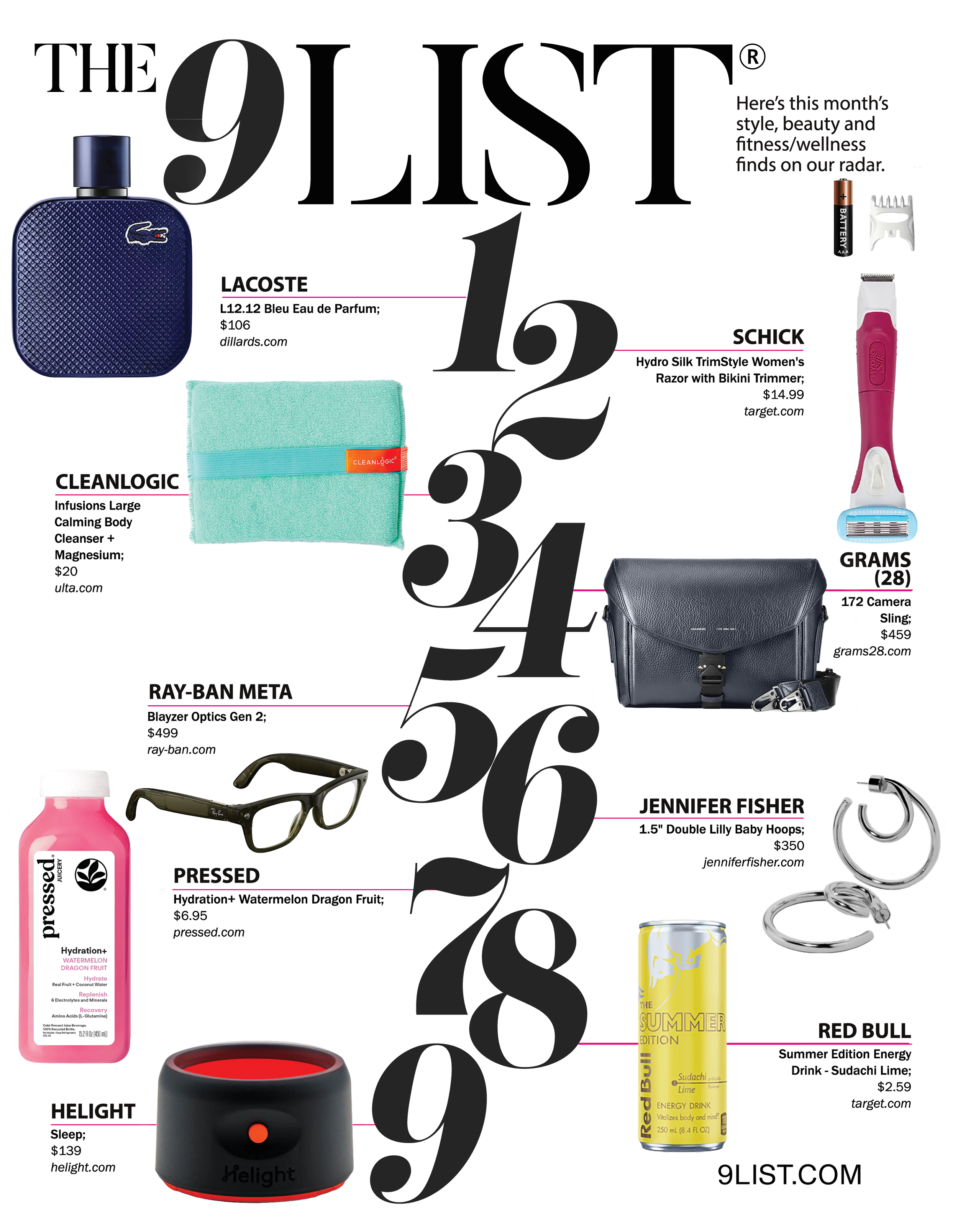
THE 9LIST
Read the SEP ISSUE #129 of Athleisure Mag and see THE 9LIST in mag.
The Latest

ROCK THIS WHEN STRIDING INTO THE FALL SEASON
Read the SEP ISSUE #129 of Athleisure Mag and see ROCK THIS WHEN STRIDING INTO THE FALL SEASON in mag.
The Latest


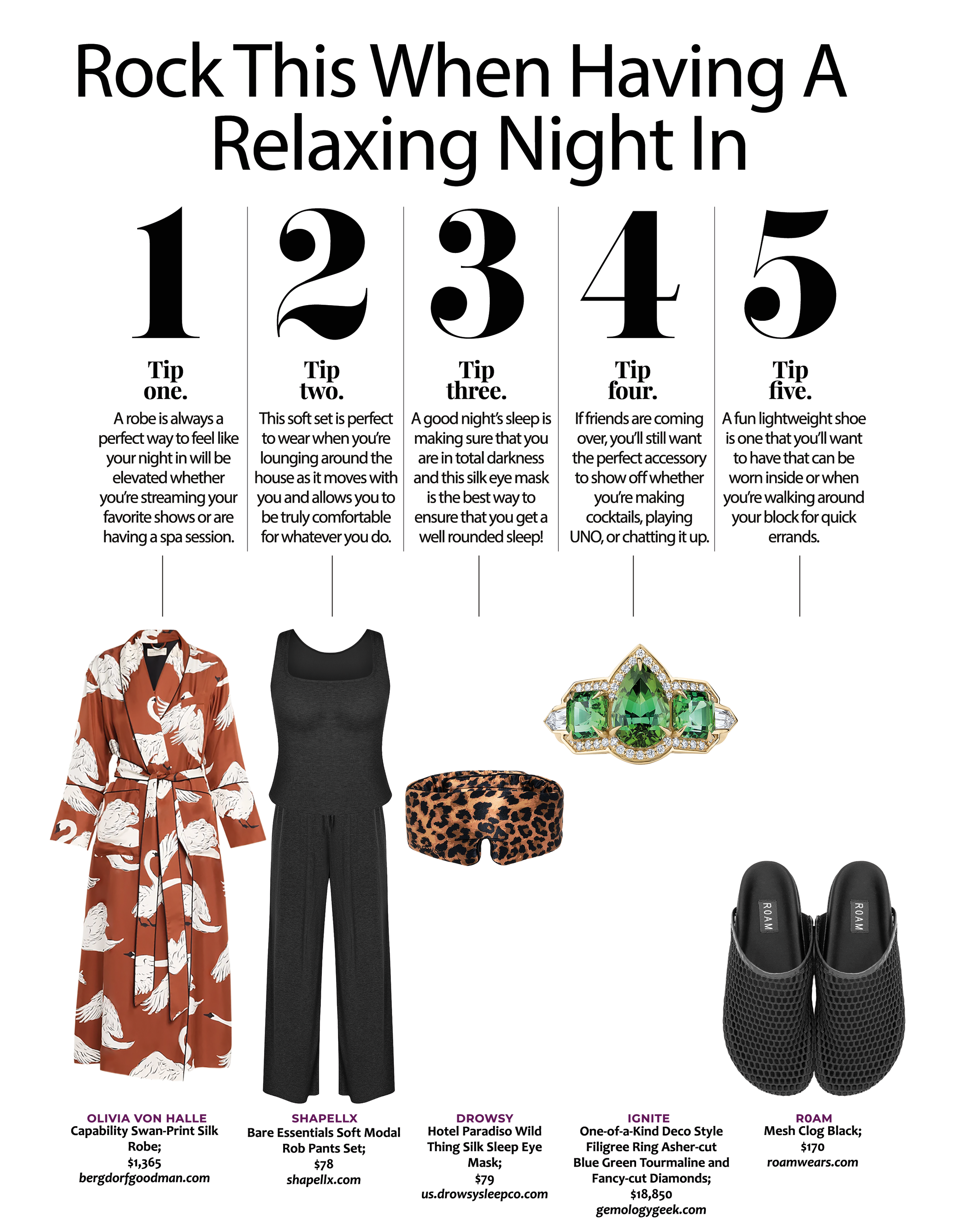
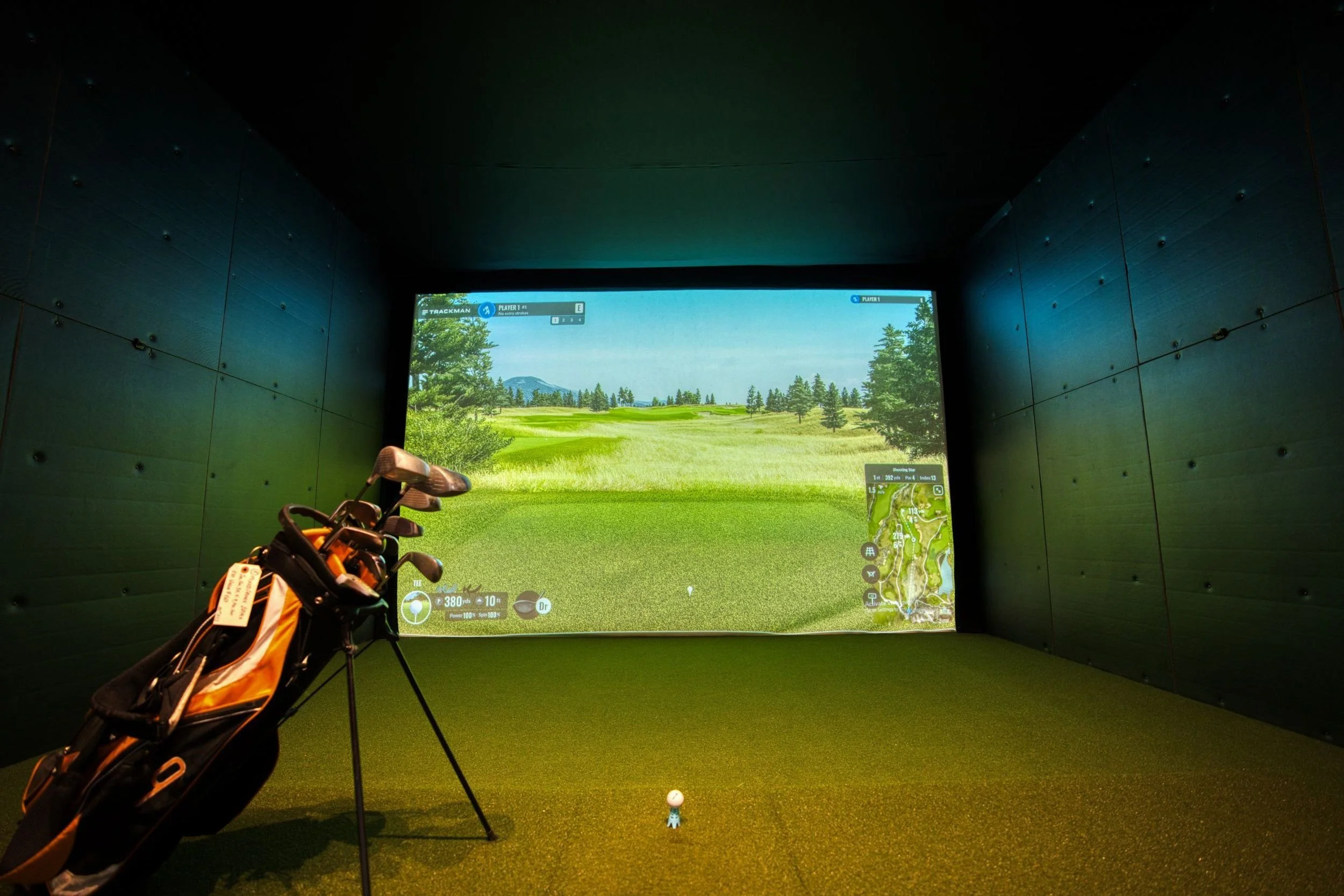
PHOTO CREDIT | Pexels/Swingzone Swingzone
8 BEST GOLF SIMULATOR IMPACT SCREENS REVIEWED: 2026 BUYER'S GUIDE
A home golf simulator is only as good as the surface the ball hits. The launch monitor reads the shot, the projector paints the fairway, but the impact screen is the part that takes thousands of full swings, sits closest to the player, and decides whether the room feels like a range or a racket.
Pick the wrong one, and the problems show up fast: a loud slap on every drive, balls bouncing back towards your shins, a washed-out image, or a torn seam after one winter of practice. The eight screens below cover premium, mid-range and budget builds, with a buying guide and answers to the questions most golfers ask before they order.
Why the Impact Screen Matters More Than Most Golfers Think
Indoor golf is no longer a niche hobby. The National Golf Foundation counted 8.1 million simulator and screen golf users in 2024, up from 3.8 million in 2015, and more than half of them did not play a single round on a course that year. A growing share of those swings now happen in garages, basements and spare rooms.
In a home setup, the screen does four jobs at once. It stops the ball safely, it controls how much energy comes back towards the hitter, it keeps the noise down for the rest of the house, and it acts as the projection surface. A screen that is great at one of these and poor at the others will frustrate you within weeks.
| Screen | Construction | Sizing | Best For |
| Golfbays Pro+ Impact Screen | Fibre-bonded, abrasian-protected | 27 sizes plus custom | Best overall |
| SIGPRO Premium | Three-layer spacer fabric | 1:1, 4:3, 16:10, 16:9 | Image quality |
| Carl's Place Premium | Three-layer polyester | Multiple sizes, made to order | Custom edge finishing |
| Rain or Shine RS Tour DIY | Impact-resistant fabric with grommets | 5 sizes | DIY frame builds |
| The Net Return Pro Series Flex | White Polyester | 3 sizes | Net Return owners |
| GoSports Impact Screen | High-density woven polyester | 7 ft and 10 ft | Tight budgets |
| Cimarron 10' x 10' Impact Screen | Commercial-grade polyester | 10' x 10' | Multi-use bays |
| Durbles Triple Layer Screen | Triple-layer polyester | 4 sizes | Portable setups |
1. GolfBays Pro+ Impact Screen
Frequent practice can put considerable strain on an impact screen. The GolfBays Pro+ Impact Screen earns the top spot because it handles all four jobs well without forcing a trade-off. It uses a fibre-bonded material with abrasion protection, a construction built for commercial bays that also suits a heavy-use home setup.
Durability starts with ball speed. The Pro+ is rated for strikes above 200 mph, which is faster than the vast majority of golfers will ever hit, so even the longest hitters in the household have comfortable headroom.
Sizing is the other standout. The screen comes in 27 preset dimensions, from roughly 7'6" wide by 8'5" high up to 18' wide by 9'10" high, covering 4:3, 16:10, 16:9 and 1:1 aspect ratios. Custom sizes are available on request, which helps anyone working with an awkward ceiling height or a wide garage bay.
The surface is designed to stay quiet on impact and produce a sharp, high-resolution image. One installation detail matters: the bottom edge is meant to hang loose rather than be pulled tight, which gives the material room to absorb the ball and cuts bounce-back.
Price: from $550
Ball speed rating: 200+ mph
Warranty: 9 months
Best for: golfers who want a long-lasting, quiet screen in an exact size
2. SIGPRO Premium
Shop Indoor Golf's SIGPRO Premium screen uses a three-layer build: two tight-knit polyester faces sandwiching vertical spacer yarns. That spacer layer is what soaks up energy, so shots die against the screen instead of springing back.
The tight outer weave also gives a smooth projection surface with very little bleed-through, and the brand pitches it as 4K-ready. Black vinyl edges with grommets come standard, and a hook-and-loop perimeter makes it easy to attach side curtains or padding.
Price: roughly $420 to $980, depending on size
Sizes: 7'7" to 10' square, plus 4:3, 16:10 and 16:9 options up to 10' x 17'6"
Warranty: 1 year residential
Best for: golfers who care most about picture sharpness
3. Carl's Place Premium
Carl's Place is a long-running name among DIY simulator builders, and its three-layer premium impact screen is made to order. The polyester layers are tested against balls traveling up to 250 mph, and the smooth face blocks ambient light while dampening the sound of each strike.
Where it really stands out is in the finishing touches. You can choose classic vinyl edges with grommets, a version with 7-inch nylon flaps that protect the frame from mishits, or loop fastener strips for fully custom mounting. That flexibility makes it a favorite for anyone building a frame from scratch.
Price: from about $440
Ball speed rating: up to 250 mph
Best for: DIY builders who want control over mounting and edge protection
4. Rain or Shine RS Tour DIY Screen
Rain or Shine Golf's RS Tour DIY Screen ships with built-in grommets and is designed to bolt onto a range of framing options. Setup is quick, and the five preset sizes (7.7' x 10', 8' x 10.5', 8' x 14', 9' x 12' and 9' x 16') include wider panoramic formats that suit 16:9 projectors.
It is a sensible pick for golfers who already have a frame or enclosure plan and simply need a reliable hitting surface. The 9' x 12' version retails around $549.
Sizes: 5 options, including wide formats
Best for: custom frames and widescreen projector setups
5. The Net Return Pro Series Flex
Golfers who already own a Net Return hitting net can turn it into a simulator with the Pro Series Flex screen. It is a white polyester panel that attaches with bungee cords, so you can switch between simulator mode and ball-return mode without tools.
It comes in three widths, all 85 inches tall, and it is quieter than many standard screens. Note that simulator screens from this brand are generally not returnable once opened, and the screen may arrive creased and require a light iron.
Sizes: Pro Series 8, 9 and 10
Best for: Net Return owners adding a projector
6. GoSports Impact Screen
At about $100 for the 7 ft version, the GoSports screen is one of the cheapest ways to get started. It uses high-density woven polyester, hangs from four corner grommets, and pairs neatly with the GoSports Elite hitting net. A larger 10 ft version is also available.
The thinner single-layer build means more noise and more bounce-back than the premium screens above, and it will wear faster under daily use. For a beginner testing whether a simulator fits their routine, it is a low-risk entry point.
Price: about $100 (7 ft)
Best for: first-time builders on a strict budget
7. Cimarron 10' x 10' Impact Screen
Cimarron's 10' x 10' screen is made from commercial-grade polyester and is thick enough to double as a backstop or baffle. The square format suits 1:1 or 4:3 projectors and gives generous coverage in a standard garage bay.
The trade-off is fewer size options. If your room fits a 10' x 10' screen, it is a solid workhorse; if not, look at a brand with more presets.
Size: 10' x 10'
Best for: square bays and garages with plenty of height
8. Durbles Triple Layer Screen
Durbles offers a triple-layer polyester screen in four square and 4:3 sizes, with reinforced grommets around the edge. The layered build cuts noise compared with single-layer budget screens, and it folds down for storage, which helps when the simulator shares space with a car or a home gym.
Image quality is decent rather than outstanding, but the price sits well below the premium tier.
Sizes: 4 options
Best for: renters and anyone who packs the setup away between sessions
How to Choose a Golf Simulator Impact Screen
Match the Size to the Room, Not Just the Projector
Start with the room. Most golfers need at least 9 to 10 feet of ceiling height to swing a driver comfortably and enough width to stand to either side of the hitting mat. Measure first, then pick a screen that fills the wall without crowding the swing. If the simulator shares space with weights or a rower, the layout advice in this guide to designing a home gym helps with zoning a multi-use room. This keeps the different activities from interfering with each other.
Pick an Aspect Ratio That Fits Your Projector
The screen's aspect ratio should match the projector's native output, usually 4:3, 16:10 or 16:9. A mismatch leaves dead space on the screen or spills the image onto the walls. Throw ratio, brightness and mounting height all shape the final picture, and this breakdown of setting up a projector for indoor golf covers how to line those up with the screen size. These factors also affect where the projector needs to be positioned.
Look at Layers and Bounce-Back
Single-layer screens are cheaper but louder, and they send more energy back toward the hitter. Multi-layer or bonded screens absorb more of the ball's speed, which makes them safer and quieter. A loose-hanging bottom edge or tensioned bungee mounting also reduces bounce-back by letting the fabric give on impact.
Check the Ball Speed Rating
A rating of 200 mph or more covers almost every golfer. Fast swingers who regularly generate driver ball speeds above 160 mph should treat this rating as essential rather than optional.
Consider Noise
Sound matters most in attached garages and basements under living spaces. Thicker, layered screens muffle the strike, and adding foam padding to the walls behind (not directly against) the screen helps further. Always follow the manufacturer's spacing advice, since padding pressed against the back of the screen can void some warranties.
Think About Fire Safety
Projectors, space heaters and lighting all run hot, and many simulator rooms sit in garages. Some screen makers test their fabrics for flame resistance, so check the product sheet if fire resistance matters for your space.
Factor in Warranty and Returns
Warranties range from a few months to a year and usually cover rips from normal ball strikes, not misuse. Some brands don't accept returns on screens once opened, so confirm the policy before ordering a custom size.
Setup Tips That Extend Screen Life
A good screen can still fail early if it is installed badly. Leave 12 to 18 inches between the screen and the wall behind it so the fabric can flex. Hit off a mat placed at least 10 feet from the screen when possible, which lowers the force at impact and gives the launch monitor room to read the ball.
Use clean balls, since dirt and grass leave marks that dull the projected image. Rotate the hitting position slightly over time if the screen allows it, so wear doesn't concentrate on one spot.
Frequently Asked Questions
What is the best golf simulator impact screen?
The GolfBays Pro+ Impact Screen is the best overall pick for most home builds thanks to its quiet fibre-bonded surface, 200+ mph rating and 27 size options. SIGPRO Premium is a strong alternative for golfers focused on image sharpness. Budget buyers can start with GoSports and upgrade later.
What is a golf impact screen made of?
Most impact screens are made of polyester, either as a single woven layer or as several bonded or layered sheets. Premium screens use a multi-layer or fibre-bonded construction to absorb ball energy and reduce noise. The face is kept smooth so it doubles as a projection surface.
How long do golf simulator impact screens last?
A quality screen typically lasts several years of regular home use. Lifespan depends on how often you hit, your ball speed, and whether the screen has enough space behind it to flex. Budget single-layer screens usually wear out faster than premium multi-layer ones.
What size impact screen do I need for a golf simulator?
Most home setups use screens between 8 and 10 feet high and 10 to 16 feet wide. Measure the ceiling height and room width first, then match the screen to your projector's aspect ratio. Leave space on both sides so the hitting area feels open.
Can I use a regular projector screen for a golf simulator?
No. Standard projector screens are not built to stop a golf ball and will tear or stretch quickly. Impact screens are made specifically to absorb repeated strikes while still showing a clear image.
How far should the impact screen be from the wall?
Leave roughly 12 to 18 inches between the screen and the wall or padding behind it. That gap lets the fabric absorb the ball's energy instead of slamming into a hard surface. Too little space increases bounce-back and can damage both the screen and the wall.
How do I reduce bounce-back on an impact screen?
Choose a multi-layer or bonded screen, mount it with bungees or a loose bottom edge, and keep space behind it. These steps allow the fabric to flex on impact. Hitting from a little further back also helps.
Are impact screens loud?
Every screen makes some sound, but layered and bonded screens are much quieter than thin single-layer models. Wall padding and a gap behind the screen cut noise further. In attached garages, a quieter screen makes a noticeable difference for the rest of the household.
Should I choose a white or gray impact screen?
White screens are brighter and suit most rooms with controlled lighting. Gray screens can improve contrast in rooms with some ambient light. Your projector's brightness and the room's lighting should guide the choice.
Do impact screens come with a warranty?
Most do, usually from 6 months to 1 year. Coverage typically includes rips from normal golf ball strikes but excludes misuse, such as padding pressed directly behind the screen. Check the terms before buying, especially for custom sizes.
Final Thoughts
The top impact screen for golf simulators is the one that fits your room, matches your projector, and holds up to the way you swing. Premium bonded and multi-layer screens cost more up front but stay quieter, safer and sharper for longer, while budget options are a reasonable way to get started. Measure carefully, check the ball speed rating and warranty, and the screen will quietly do its job for thousands of practice sessions.
The Latest

PHOTO CREDIT | Unsplash/Jeffrey Hamilton
HOW MUCH MILK THISTLE PER DAY ACTUALLY SUPPORTS YOUR LIVER HEALTH
Milk thistle is commonly used for liver support, but the appropriate daily amount depends on the extract, its silymarin content, and the product directions. A larger serving does not guarantee better results, especially when supplements differ in strength and formulation. The most sensible approach combines label-based dosing with attention to tolerance, timing, and existing health conditions. Understanding these factors makes it easier to choose a routine that fits safely into daily care.
A practical starting point is checking how much milk thistle per day for liver support matches the product’s label. Milk thistle supplements vary in extract strength, capsule size, and silymarin content. Those differences make it unsafe to treat every capsule or serving as equivalent. Reading the Supplement Facts panel provides a clearer basis for deciding how much to take.
Why The Amount Varies
Milk thistle contains silymarin, a group of plant compounds associated with antioxidant activity and liver support. Labels can list the total milk thistle extract, the amount of silymarin, or both. These measurements describe different parts of the supplement, so you shouldn't compare them without reviewing the full label.
A capsule with a larger extract weight does not automatically contain more silymarin. Standardized products state the silymarin amount or percentage more clearly, which makes daily intake easier to assess. When the label lacks clear information, a pharmacist or healthcare professional can explain the serving details.
What A Practical Daily Routine Looks Like
The safest routine follows the serving size printed on the product label. Taking more than directed increases total intake without showing improved liver support. People should also avoid combining multiple products containing milk thistle unless a healthcare professional reviews the full supplement list.
Consistency matters more than choosing an unusually high amount. Taking the recommended serving at the same time each day reduces missed doses and makes it easier to notice nausea, headaches, or other unwanted effects.
You can take milk thistle with food when the product instructions allow it. Food often makes supplements easier on the stomach, especially for people who experience nausea or loose stools after taking capsules. The product label should take priority because formulations differ.
Morning Or Night?
Morning and evening schedules can both work for a milk thistle routine. The better choice is the time a person can follow consistently without disrupting meals, medications, or sleep.
A morning dose suits people who already take daily supplements with breakfast. An evening dose works well for someone who remembers supplements with dinner. Milk thistle doesn't require a complicated schedule unless a healthcare professional gives different instructions.
Taking a supplement alongside certain medications can affect absorption or treatment. Anyone using prescription drugs should ask a pharmacist about spacing requirements before adding milk thistle. People with liver disease, gallbladder problems, diabetes, or a scheduled procedure also need individualized guidance.
Signs The Routine Needs Review
Digestive symptoms provide a clear reason to reassess the schedule or serving size. Do not ignore nausea, bloating, diarrhea, abdominal discomfort, or an unusual reaction. Stop the supplement and seek professional advice if symptoms persist or become severe.
Milk thistle should not replace evaluation for jaundice, dark urine, persistent fatigue, abdominal swelling, or ongoing pain. These symptoms can signal a medical problem that requires testing rather than self-treatment. A qualified clinician also needs to interpret liver enzyme results because supplements do not explain every abnormal result.
Pregnant or breastfeeding individuals should seek medical advice before using milk thistle. The same applies to anyone with a known allergy to plants in the daisy family, including ragweed, chrysanthemums, or marigolds.
How To Read The Label
Start with the serving size, then check whether the label lists milk thistle extract, silymarin, or both. Review how many servings the directions allow each day, and don't assume you can safely combine two products.
A clear label should provide the botanical name, Silybum marianum, and the amount per serving. It should also list other active ingredients that could interact with medications or duplicate another supplement. Recording the product, serving, and time taken can help a clinician monitor liver enzyme results.
Conclusion
The appropriate daily amount of milk thistle depends on the extract strength, silymarin content, serving directions, and a person’s health needs. No single dose fits every supplement or individual. Following the label, choosing a consistent time, and checking medication interactions creates a safer routine than increasing the serving independently. Before starting milk thistle, review the product with a pharmacist or clinician, especially if liver symptoms, abnormal tests, pregnancy, or prescription treatment are involved.
The Latest
THE PICK ME UP
Read the SEP ISSUE #129 of Athleisure Mag and see THE PICK ME UP in mag
The Latest
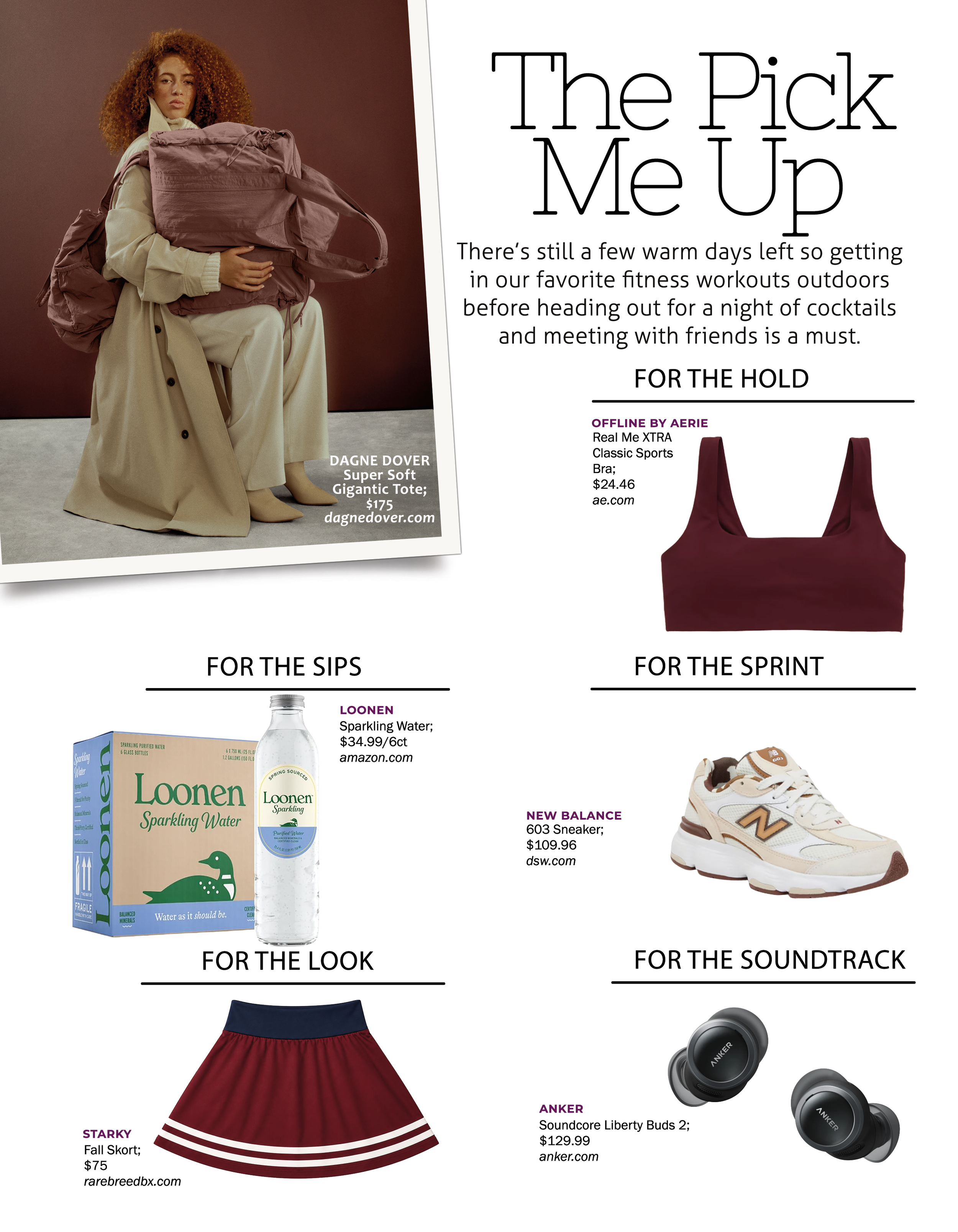
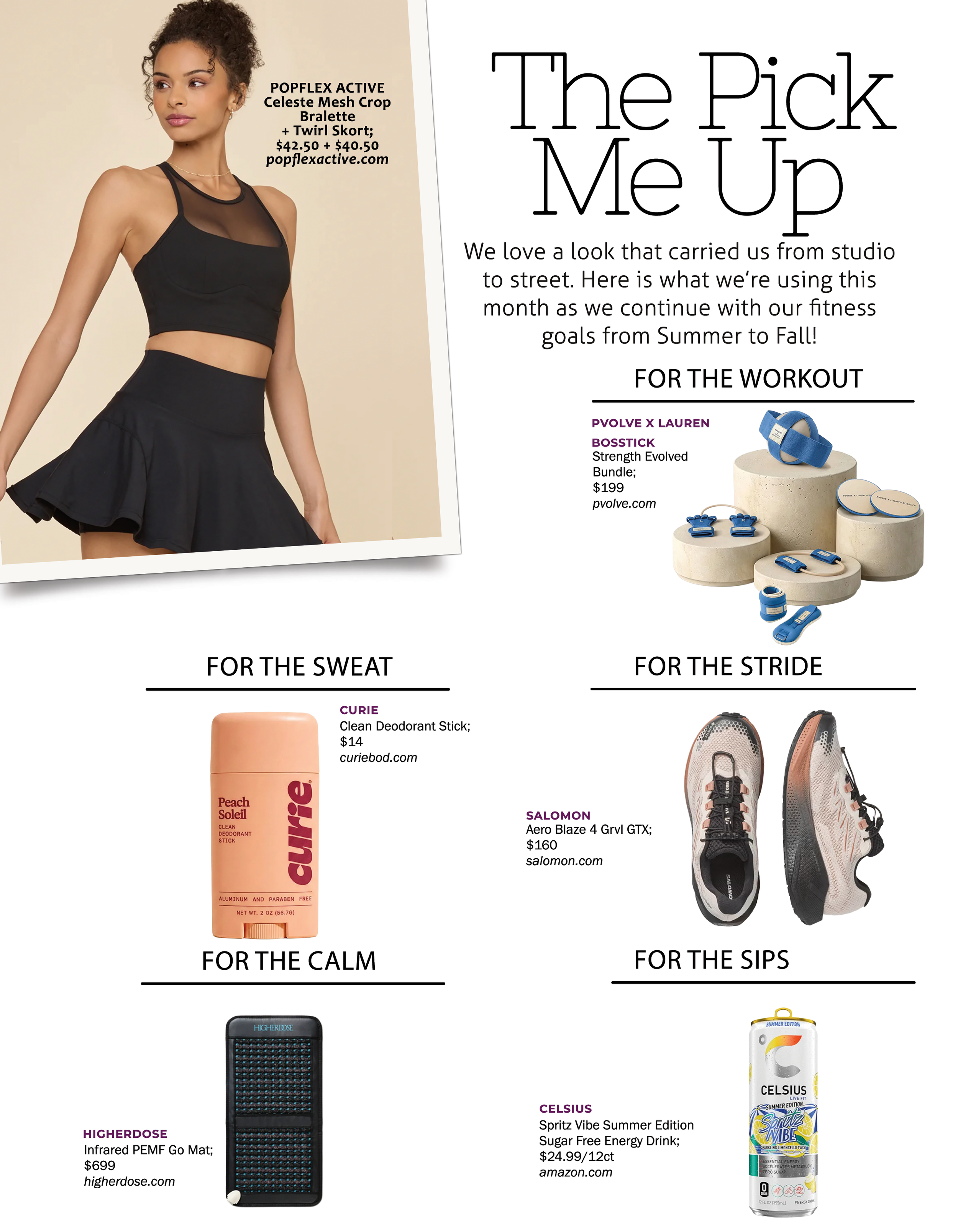
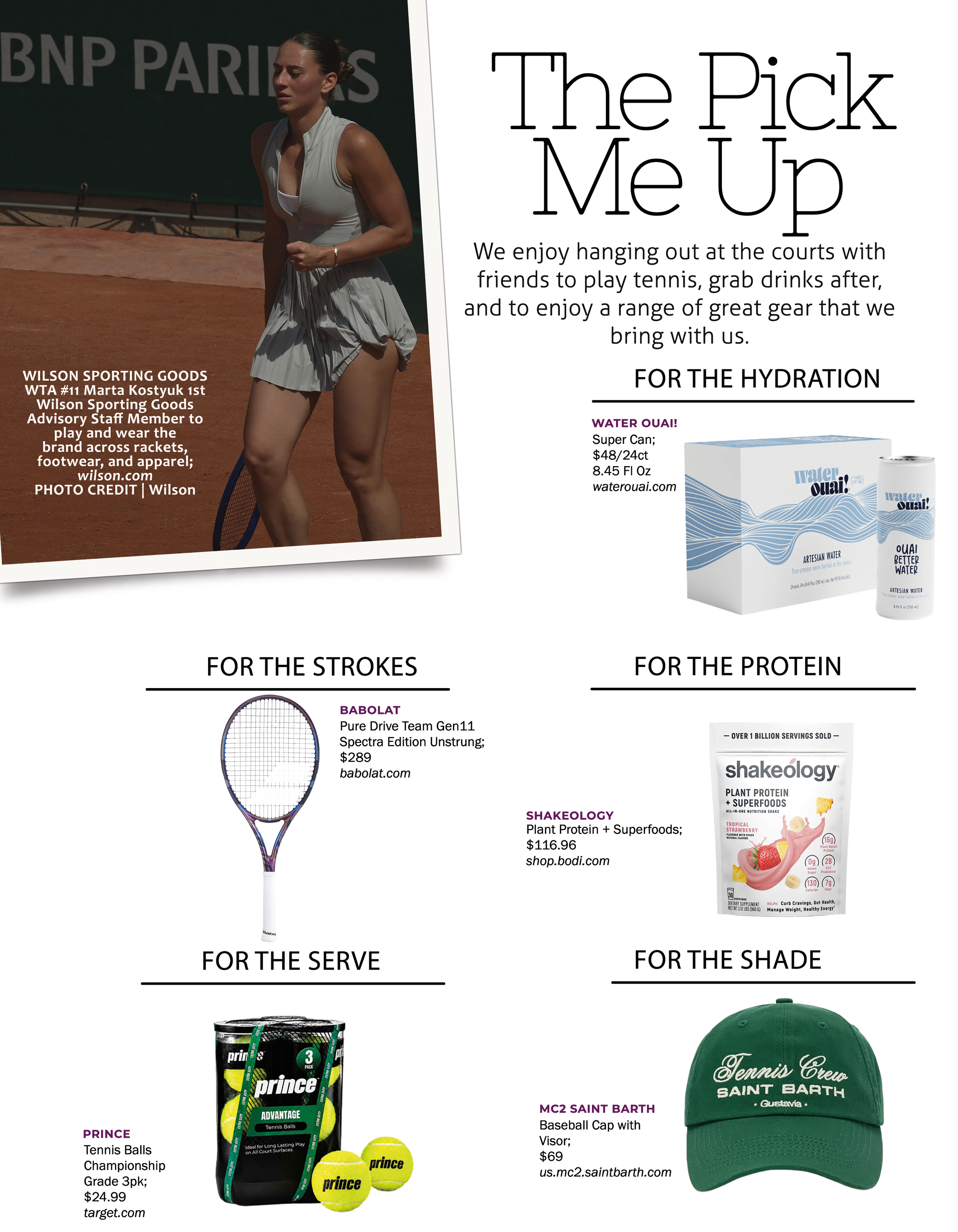

PHOTO CREDIT | Unsplash/M.Fildza Fadzil
A RESTORATIVE DESARU WEEKEND: HOTEL CHOICES FOR ACTIVE TRAVELERS
A weekend by the coast can be active without becoming exhausting. In Desaru, a morning swim, a walk along the beach, a round of golf, or a visit to a nearby attraction may fill the day before you notice the time. The hotel should give you somewhere pleasant to recover, not another schedule to manage. That is why location and room comfort deserve as much attention as the view.
When looking at Desaru hotels, think about the activities you will actually do. A couple planning long beach walks may want direct shoreline access. A family may care about pools, breakfast, and a room that can absorb wet towels and sandy shoes. Friends arriving with sports gear may prioritize storage, parking, and a simple route from the entrance to the room.
Start with your weekend's energy level
Some coastal breaks are built around doing very little. Others have a full calendar before the bags are packed. Decide which kind of weekend you want. A large resort can offer several facilities in one place, which suits guests who want choice without much driving. A smaller property may feel more personal and leave room for exploring local food or quieter stretches of coast.
Your answer may change by day. Perhaps Saturday is for cycling or golf and Sunday is for a late breakfast. Put the most demanding activity first, then choose a room and meal plan that make the following hours easy. A realistic itinerary is kinder to the body than a list of every possible attraction.
Beach access is not one thing
A hotel described as near the beach may offer a direct path, a short shuttle ride, or a road crossing. Those options feel different when you are carrying a towel, traveling with a child, or returning after sunset. Check how guests reach the water and whether chairs, shade, or towels are available. If the beach is the main reason for the trip, the route deserves a clear answer.
Weather can change the plan quickly. A covered walkway, an indoor sitting area, or a nearby cafe can save the afternoon when rain arrives. The best coastal base has a second act, so a wet forecast does not erase the whole weekend.
Recovery is part of the itinerary
Active travelers often focus on equipment and forget the hours afterward. A supportive bed, enough space to lay out clothing, and a bathroom that works well can change the next morning. A balcony or comfortable chair is helpful when you want to cool down without going straight to sleep.
If you plan to swim, ask about places to hang damp clothing and whether the room has a useful refrigerator. These are small matters, yet they prevent wet bags and uncomfortable mornings. A property that understands outdoor guests usually explains these arrangements clearly.
How far the room is from the beach, pool, and breakfast area
Whether parking is convenient for bulky gear
A towel and changing arrangement after water activities
Meal times that suit early starts and late returns
A quieter room option for a proper night's rest
Use the list as a conversation starter with the property. A short message before booking can reveal more than a dozen promotional photographs.
Eating well after a day outdoors
Desaru's coastal setting makes seafood an obvious part of the experience, yet a good weekend needs more than one special meal. Check whether the hotel offers casual food, snacks between activities, and a breakfast that can be eaten without a long wait. Guests with different appetites may want different levels of planning.
An early breakfast can support a morning at the beach, while a later cafe service suits travelers who are treating the weekend as a break from the clock. If you plan to drive for dinner, consider the return route. A memorable meal is less appealing when everyone is too tired to enjoy the journey home.
A little space helps groups
Traveling with friends or family means more bags, more wet clothing, and more opinions about the day's plan. A room with sensible storage and a place to sit makes the group feel less crowded. Connecting rooms or a suite may be worth considering when people keep different sleep schedules.
For a couple, the same principle can be simpler: leave room for the things that make the stay feel restful. A good shower, fresh air, and a quiet corner for coffee can matter more than a formal list of facilities.
The weekend test
Before you book, imagine arriving at noon, returning sandy at four, and looking for dinner at eight. If the hotel still seems easy to use at each point, it is probably a sound choice. Desaru is generous to travelers who leave a little space in the day. Choose a base that supports movement when you want it and rest when you need it, then let the coast set the pace.
Pack for the transition between activities, not just the activities themselves. A light cover-up, dry shoes, and a small pouch for wet items can keep the room orderly and the next outing pleasant. If you are traveling with children, ask about shade and easy meal options before arrival. An active break succeeds when everyone can pause without feeling that the day has been wasted.
Pack for the transition
Pack for the transition between activities, not just the activities themselves. A light cover-up, dry shoes, and a small pouch for wet items can keep the room orderly and the next outing pleasant. If you are traveling with children, ask about shade and easy meal options before arrival. An active break succeeds when everyone can pause without feeling that the day has been wasted. Leave enough time to shower, eat, and sit down before deciding whether the next activity is worth the effort.
After the workout
One overlooked question is what happens when the activity ends earlier than expected. A shaded pool, a cafe, or a comfortable lounge can turn an empty hour into a pleasant one. If you are traveling with a group, make sure everyone knows where to meet after a swim or excursion. Simple meeting points prevent people from searching across a large resort with wet towels and tired feet. Desaru feels most restorative when the schedule has somewhere soft to land.
The Latest
#TRIBEGOALS
Read the SEP ISSUE #129 of Athleisure Mag and see #TRIBEGOALS in mag.
The Latest
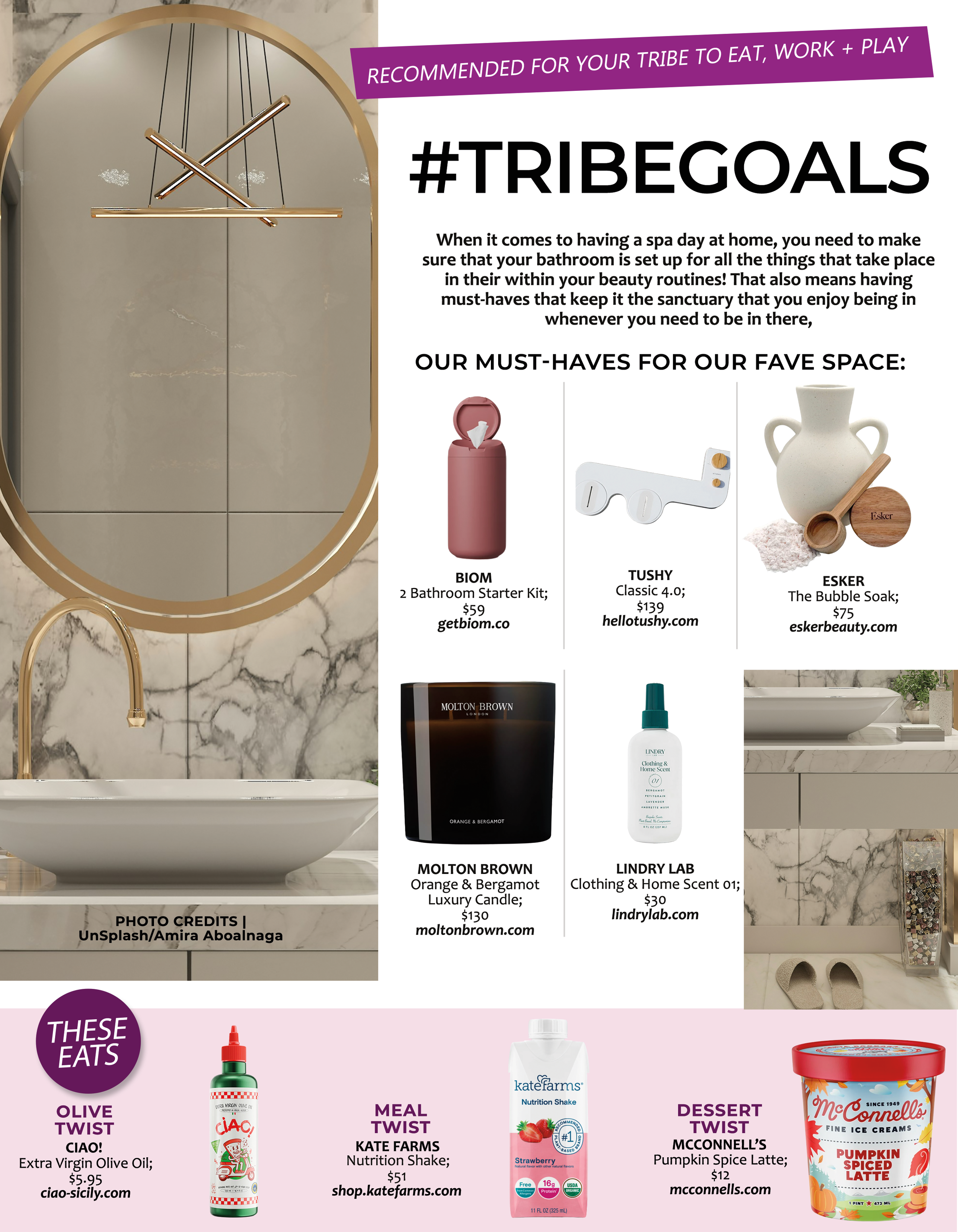
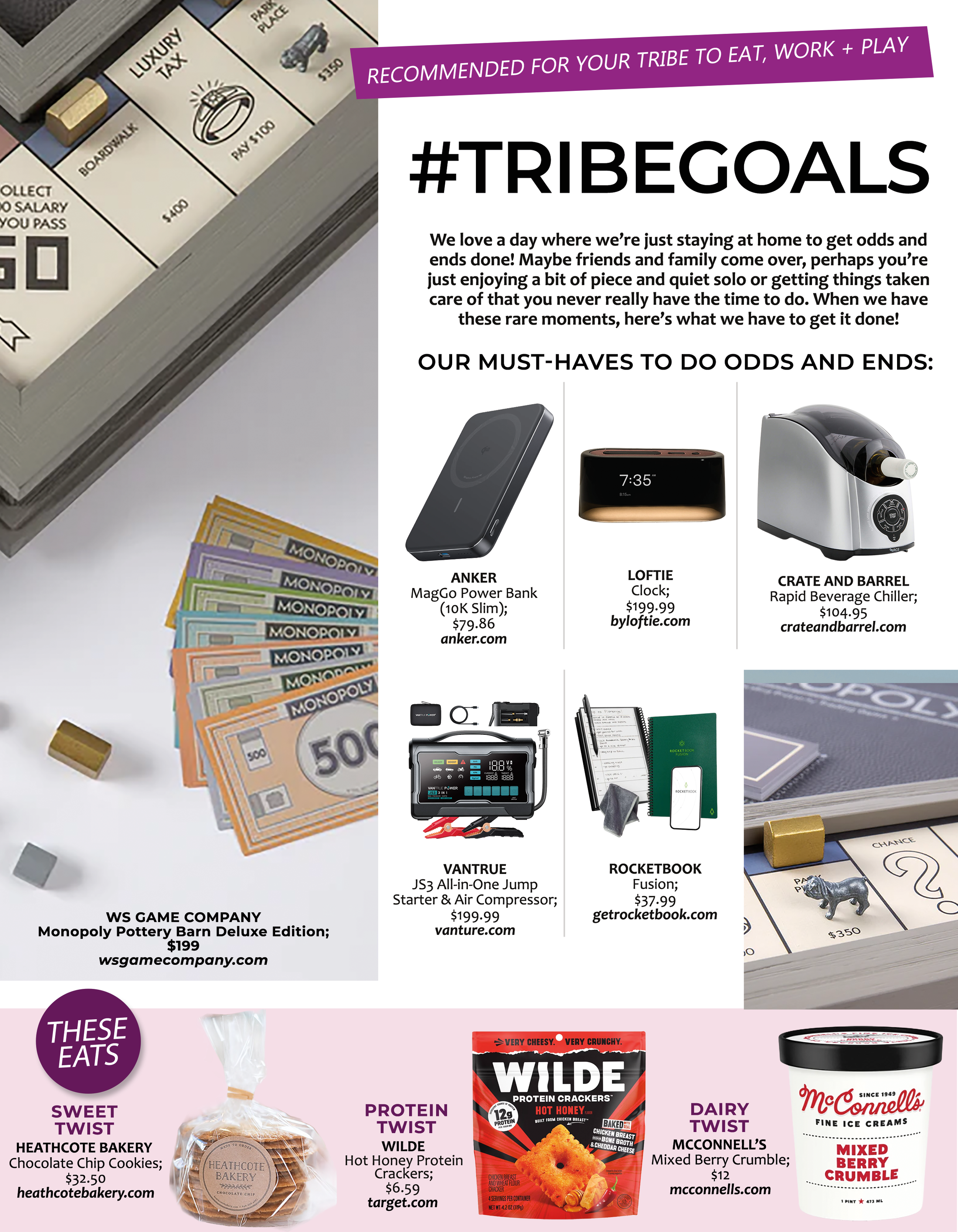


PHOTO CREDIT | Unsplash/Queensland, Australia
5 REASONS TO EXPLORE ACTIVITIES OUTSIDE YOUR USUAL ROUTINE OR INTERESTS
There’s a sense of comfort in choosing activities you already know and enjoy. These decisions make your free time feel predictable and easy to manage. As a result, there’s little uncertainty that can interfere with your plans.
While familiarity brings structure to your downtime, new activities can add variety to your routine. Exploring options outside your regular interests may help you step beyond your usual preferences and become more open to trying something different. Here are a few reasons why giving unfamiliar experiences a chance can bring a positive change to your daily routine.
They Make Everyday Life Feel Less Repetitive
Even though familiar activities fit easily into your schedule, they can also become dull over time. Doing the same things every weekend can make one week blend into the next, leaving you with fewer moments that feel distinct or memorable. A new activity can add contrast to that pattern. It gives you something different to anticipate and can make an ordinary day feel more interesting.
You can approach this change in a variety of ways. For instance, you can start with something simple, like exploring the best JILI games online for the first time. This gives you a low-pressure way to find out whether a different form of entertainment appeals to you. Another method is to commit to a bigger undertaking that keeps you outside your usual routine, such as hiking, training for a fun run, or joining a dance workshop. Diving into a more involved pursuit can create a clearer break from your regular plans.
Whatever approach you choose, this small departure from your routine can give your week a stronger sense of variety and leave you with moments that stand out.
They Can Build Your Confidence
Unfamiliar activities often place you in circumstances where you can’t rely on experience. This may make you hesitant to try something new, especially if you’re worried that your mistakes will draw attention. However, each attempt gives you a chance to see that you can handle something outside your comfort zone. These moments also show that failure is part of the process and that improvement doesn’t require immediate success, which can gradually strengthen your confidence.
That confidence may then affect how you approach other unfamiliar situations. Once you prove that you can learn something new, future challenges may seem less intimidating. You may become more willing to speak up, take initiative, or pursue opportunities that you would have avoided before. This can make you more open to taking reasonable risks, as you become less likely to let initial discomfort stop you from taking part.
They Give You Opportunities to Meet Different People
A different activity can place you in a setting where you interact with individuals you may not have met otherwise. Shared classes, community events, and group sessions provide spaces where participants can connect with like-minded people and exchange ideas. These opportunities enable you to form new connections and make you feel like you’re part of a wider community.
Joining a new group doesn’t have to lead to a lasting friendship. Sometimes, having brief conversations with other participants can introduce you to another perspective or help you feel more comfortable speaking with new people. These interactions can help make social situations feel less intimidating, gradually improving your ability to connect with others.
They May Lead You to a New Passion
Not every new activity you try will hold your attention, but there will be moments when your curiosity uncovers an interest you never expected to enjoy. Even if the experience seems unremarkable at first, it can become more engaging once you give it a fair chance. Eventually, you may find yourself looking forward to it and wanting to learn more.
Once you’ve gotten into the rhythm of the activity, you’ll start investing more effort in it. You may also look forward to deepening your involvement, such as setting personal goals, making time to practice regularly, or finding new ways to improve. At that point, the activity is no longer a temporary distraction but a lasting interest that brings greater meaning to your free time.
They Can Help You Discover Different Sides of Yourself
Different situations can bring out your different qualities. An activity that places you in an unfamiliar role may reveal how you respond to challenges, work with others, or handle responsibility. For example, joining a team activity may help you realize that you enjoy encouraging others. A craft workshop, on the other hand, could reveal that you’re patient with detailed tasks. Meanwhile, a public event may show that you’re more comfortable speaking with strangers than expected.
These realizations can show you parts of your personality that may not appear as clearly in other areas of your life. As a result, you can gain a broader understanding of your strengths and become more open to roles or experiences you may not have considered before.
Familiar routines can make your downtime easier to enjoy, but making room for something different can help you approach leisure with greater curiosity and fewer assumptions. New activities can introduce you to possibilities you might otherwise overlook, especially when they’re experiences that don’t usually capture your interest. Giving something unfamiliar a fair chance can help you see its value without letting your initial hesitation decide for you. In the end, you might be surprised by how much enjoyment you find in something you once would have passed over.
The Latest

WHEN WORKOUT GOALS MEET SMART ENTERTAINMENT CHOICES
Balance has been on my mind constantly these days. That elusive thing everyone talks about but nobody seems to actually achieve, and I've been trying to figure out why some gym regulars are still showing up three years later while others disappear before Valentine's Day.
Discipline isn't the whole story. It's more about recognizing when to go hard and when to back off completely.
Last Tuesday morning, I watched this dude completely wreck himself on the rowing machine for 47 minutes without stopping once. Pretty impressive on the surface, but there's no way he keeps that up. He looked absolutely miserable. My friend Sarah does things differently—23 minutes of mixed cardio, actual rest days, and three years later she's still excited to work out.
This same logic applies to everything else we do when we're not working. I figured this out when online gaming became my thing last year. Kept everything recreational and manageable, and I'm still enjoying it. But I've watched other people dive in headfirst with zero planning or boundaries, and that situation always deteriorates fast. Whether you're testing out some new fitness app or checking out something like RexBet casino Canada, your approach determines everything more than the actual activity does.
Finding Your Sweet Spot
The routines that work best aren't the hardcore ones. They're the ones you can stick with long-term without constantly battling yourself mentally. I'm doing CrossFit three times weekly, yoga twice, and some weeks I completely bail on yoga and don't beat myself up over it.
Built-in flexibility isn't optional. I attempted that "never miss a Monday" approach for maybe 8 weeks before realizing I was just manufacturing stress for no reason. Now I target 4 workouts each week and actually achieve that roughly 87% of the time, which beats aiming for 6 sessions and feeling terrible when real life interferes.
Making Smarter Choices
We all need genuine downtime, period. After crushing a leg workout, I want to completely zone out without thinking. Sometimes Netflix wins. Sometimes I scroll through complicated recipes I'll never actually cook. And sure, some people want to mess around with online gaming or whatever relaxes them.
Treating entertainment like anything else in your life makes sense. I maintain a $30 weekly budget for random fun stuff. Time limits help too because nothing positive happens after 11pm anyway. And you've gotta be real with yourself about whether you're genuinely enjoying something or desperately chasing a feeling that isn't there.
People who stick with fitness long-term usually apply identical thinking to everything else. No extreme deprivation, but also no reckless overindulgence. Planning ahead while maintaining adaptability. Knowing exactly when to dive in and when to walk away.
Recovery deserves equal attention to your training sessions. Downtime deserves equal weight to your productive hustle hours. Approaching both with clear intention is where meaningful progress lives—not the polished Instagram version but the real kind where you're consistently showing up half a year from now, genuinely enjoying the process, feeling solid about every decision you're making.
PHOTO CREDIT | Unsplash/Risen Wang
WHY PATIENT EDUCATION VIDEOS CAN IMPROVE HOME-EXERCISE ADHERENCE AFTER TRAUMA
Patients often have trouble following a home exercise regimen, and not because they are lazy or not sufficiently motivated. Trouble often stems from the fact that those regimens are often unclear, and in unsupervised conditions can be overwhelming. Patient education videos, as opposed to written instructions, can improve home-exercise adherence because they make instructions easier to revisit, reduce uncertainty about correct technique, and strengthen patients’ confidence in performing exercises independently.
They are easy enough to produce, as all you need is a phone and a decent video editing tool. As a free online tool, Clideo video creator will make sure you can cut, add music if needed, take care of the subtitles, generate AI-assisted translations, and produce a ready video for the patient’s convenience.
Naturally, the any trauma patient’s adherence to those videos doesn’t come from the availability of those videos. Strongest results come from videos embedded in a broader, personalized rehabilitation system that includes clinician explanation, reminders, progress tracking, feedback, or follow-up. First, let’s make sure there’s actually a problem to solve.
What direct video-versus-paper studies show
One of the clearest randomized studies involved patients receiving home exercises for hand and wrist rehabilitation. Here are the key takeaways from the results:
Participants received the same exercises either through conventional paper handouts or video. The video group then reported using more exercise and being more confident that they were doing the exercises correctly. The authors concluded that video distribution was better than paper handouts on these measures.
A weakness in static diagrams is that an illustration can present an initial position, but not necessarily depict direction, rate, sequencing, range of motion or what is considered one repetition. Moving demonstrations can eliminate this weakness.
The figures were even higher in a randomized pilot study with stroke survivors. The mobile video-guided home-exercise programme group had about 75.6% adherence while the paper instructions group had 55.2%. The video group also demonstrated stronger exercise self-efficacy and greater mobility improvement, although the study was relatively small and should not be treated as definitive evidence across all patient populations.
A recent study of video-guided swallowing exercises after stroke also found higher adherence with video-guided training than with a handbook. Video could therefore be especially useful for exercises that have movements that are hard to describe in writing or pictures.
The overall research pattern has been very uniform. The digital and video-based support seems to be most effective for starting exercise habits and increasing confidence in exercise. Clideo online video editing software can be most useful for the production of such videos, as its wide tool selection can add subtitles, translate narration, play with hues, and get exactly the footage you need.
Why video works best
Let’s discuss the advantages of video in more detail by listing the most prominent and, yes, obvious benefits.
1. It shows movement rather than describing it
Therapeutic exercise contains temporal information. Patients need to understand not only where the body begins and ends, but also how it moves between those positions. Video can demonstrate:
Movement direction
Joint alignment
Tempo
Breathing
Repetition structure
Common compensations
Safe range of motion
This is especially valuable for complex, unfamiliar, or multi-stage movements.
2. Patients can replay the instruction
During an appointment, a patient could comprehend an exercise, but forget a portion of it more later. Video externalizes the demonstration so that patients can pause, rewind, slow down the video and compare their movement with the model.
This repetition could help minimize memory demands and address a common issue with verbal, one-time teaching. Additionally, simple browser-based apps, akin to the mentioned Clideo, can make the videos more relatable, precise, and more well-defined. What's more, those apps have a number of features that make video production easier.
3. Video can increase self-efficacy
Self-efficacy means a person’s belief that they can successfully perform a particular behaviour. Often has a positive correlation with home-exercise compliance. Video can help by demonstrating that it is manageable, explaining what success would look like and alleviating fears of doing the exercise wrong.
Specifically, the hand-and-wrist and stroke studies are relevant; both showed patients were more confident or self-efficacy in using video-supported exercise, and that exercise use or adherence was greater.
4. It can reduce health-literacy demands
Instructions in written form could be medically specific, overly complex, or include illustrations that are confusing. WHO's broad definition of health literacy is the ability to find, understand, evaluate, and utilize health information and services. The use of video can help to minimize reliance on text, but not remove the need for good language and design.
A helpful reminder is that substandard video can be as distracting as substandard handout. Rapid demonstrations, vague jargon, substandard framing, unincluded captions, and user-unfriendly interfaces can all impede understanding.
5. It makes personalization easier
Personalized videos enable the therapist to only prescribe exercises relevant to the patient, at the correct difficulty and dose. This lessens the mental load of having to navigate through standard exercises.
Personalization might also give the patient a feeling that the programme was created for their particular problem, instead of being created as an impersonal clinic routine. There is evidence for improved function and confidence in performing exercise on personalized exercise-video apps, but the quality of the studies is limited.
6. It can connect education with behavioural support
Video becomes more powerful when combined with:
Scheduled reminders
Exercise calendars
Completion logs
Goal setting
Progress indicators
Clinician messages
Remote check-ins
Feedback on technique
A review of behaviour-change techniques found that interventions improving adherence commonly included social support, although bundled interventions made it difficult to isolate the effect of any one technique.
This supports an important editorial point: the video demonstrates the behaviour, while the surrounding system helps sustain it.
What an effective patient exercise video should contain
The research does not establish a single perfect production formula, but the evidence on confidence, health literacy, behavioural support, and rehabilitation usability points to several defensible principles.
An effective clinic-produced video should:
Demonstrate one exercise or a small related set
State the exercise’s purpose in plain language
Show the full body area required to judge technique
Include front and side views when alignment matters
Demonstrate the correct starting position
Use a realistic, clinically prescribed tempo
State repetitions, sets, frequency, and rest periods
Explain acceptable discomfort versus warning symptoms
Highlight one or two common mistakes
Include captions and readable on-screen text
Allow pausing and replaying
Reflect the individual patient’s prescription
Provide a clear route for questions or reassessment
Shorter videos may be easier to revisit than one long recording containing an entire programme. Research in older adults suggests that supervised home-video sessions lasting less than 60 minutes may be more sustainable, but clinic instruction clips would generally benefit from being much shorter and exercise-specific.
Risks and limitations
There are several warnings to be careful of in this case.
Incorrect imitation: A patient can confidently copy an exercise incorrectly.
Videos should supplement, not automatically replace, initial clinician assessment and demonstration.Changes in condition: A previously appropriate video may become unsuitable if pain, swelling, mobility, neurological symptoms, or post-operative restrictions change.
No automatic personalization: A generic video cannot decide whether the prescribed load, range, or frequency remains appropriate.
Digital exclusion: Older age does not inherently prevent video use, but poor internet access, small screens, low digital confidence, visual or hearing impairment, language differences, and inaccessible interfaces can create barriers.
Adherence measurement is weak: Many studies rely on self-reported exercise diaries or app activity. Watching a video or opening an app does not prove that the exercise was performed correctly, or performed at all.
Short-term novelty: Some early adherence improvement may come from novelty, reminders, or study participation. This could explain why effects are clearer in the first few weeks than after several months.
The Latest
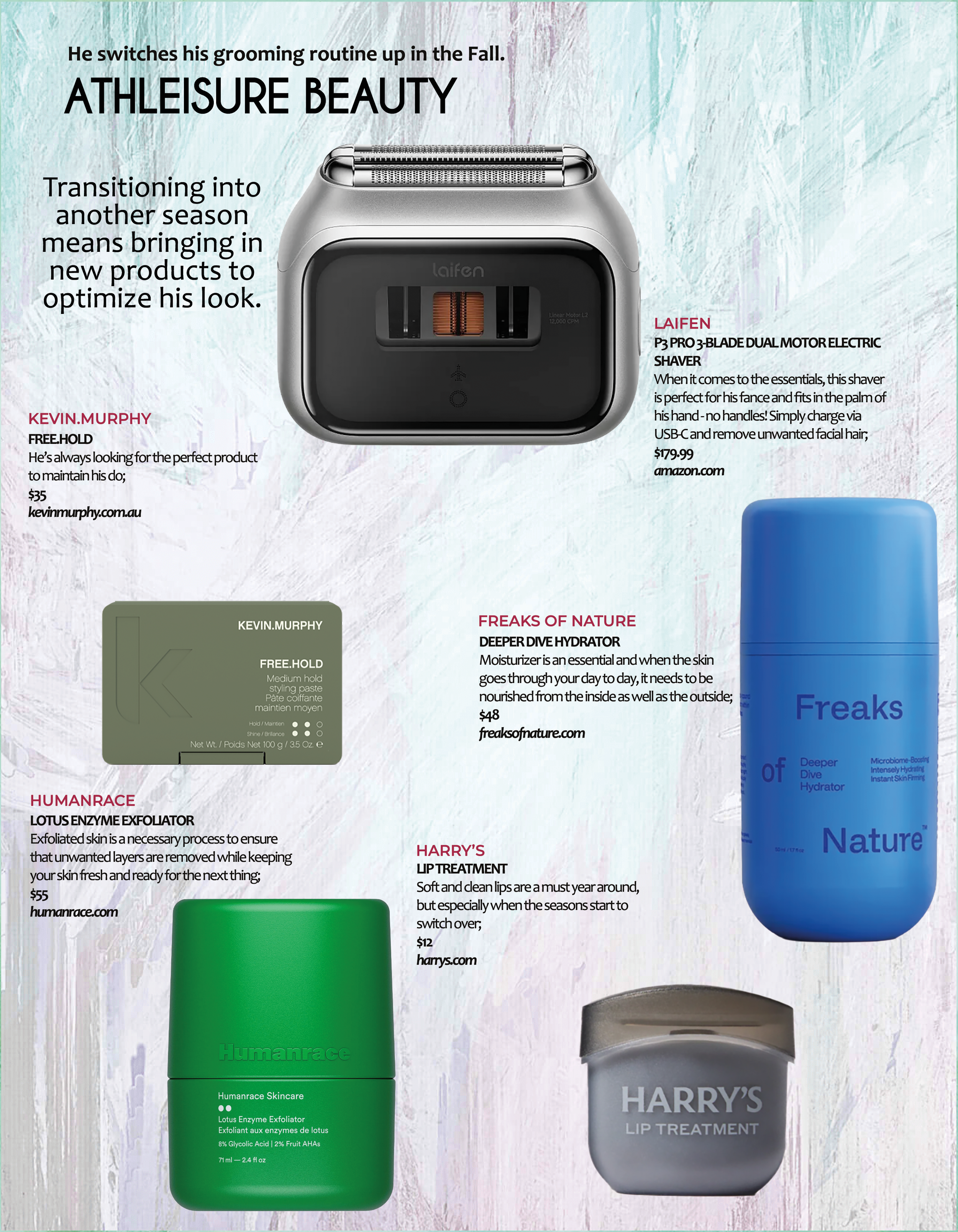
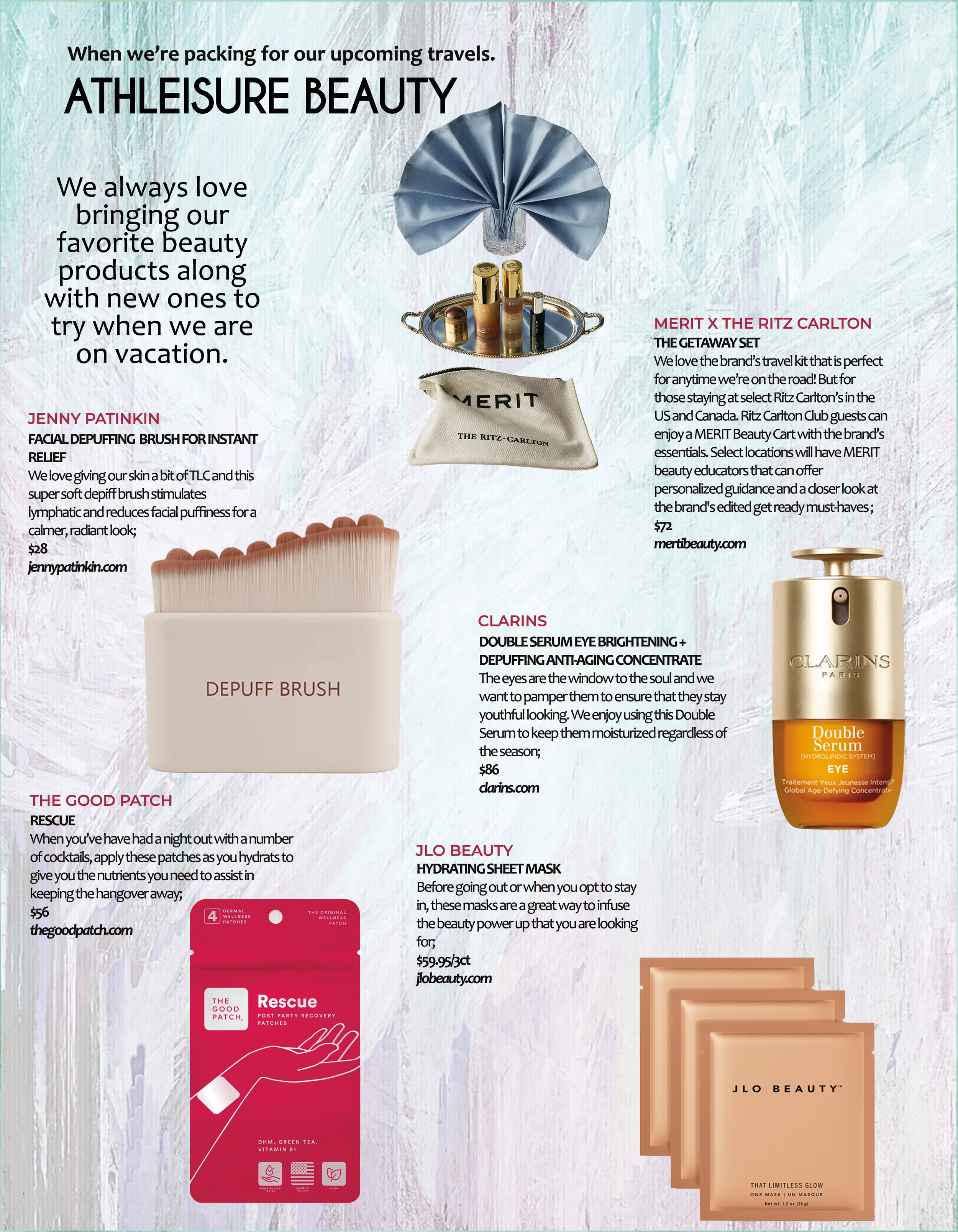
ATHLEISURE BEAUTY
Read the SEP ISSUE #129 of Athleisure Mag and see Athleisure Beauty in mag.
The Latest

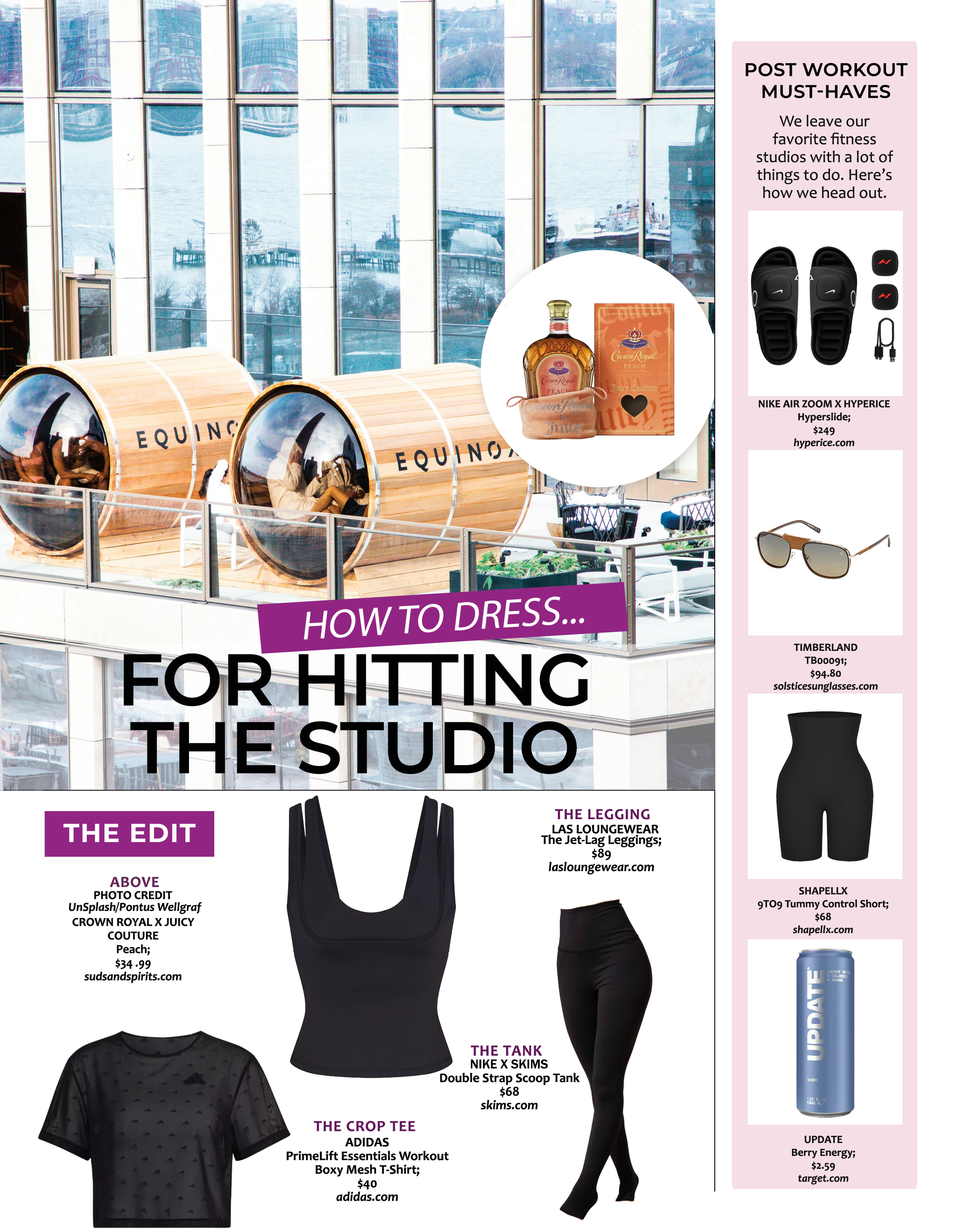
HOW TO DRESS | FOR HITTING THE STUDIO
Read the SEP ISSUE #129 of Athleisure Mag and see HOW TO DRESS For Hitting the Studio in mag.
The Latest


HOW TO BUILD A DIGITAL WORK ROUTINE THAT PROTECTS YOUR FOCUS AND ENERGY
A good digital work routine isn’t about squeezing more tasks into every hour. It’s about setting up your day so your attention has somewhere to go, your energy isn’t drained by constant switching, and you can finish work without feeling mentally scattered.
Whether you work from home or spend the day in documents, messages, and meetings, the goal is simple: fewer decisions, clearer work blocks, and enough breaks.
Start by designing your day around attention
Most digital workdays are built around whatever is making noise: email, chat, notifications, and browser tabs. A better setup starts with work that needs real thought, then fits communication and admin around it.
Pick one or two high-focus periods
Notice when your mind feels sharpest. Use that period for writing, planning, analysis, design, or problem-solving.
If you start by answering every message, you may spend your best hour reacting instead of moving your own work forward.
Reduce task switching before it starts
Multitasking can feel productive, but switching between tasks carries a mental cost. Research summarized by the American Psychological Association shows that people lose time when they move back and forth between tasks, especially when the work is complex or unfamiliar.
Group similar work instead. Answer email in one block, review documents together, and keep research tabs open only for the project in front of you.
Make focus blocks realistic enough to repeat
Long stretches of concentration sound good on paper, but many people can’t protect two hours every day. Shorter blocks are often easier to defend.
Use a timer if it helps you start
If getting started is the hard part, a pomodoro can give the work a clear edge. The classic method uses a timed work period followed by a short break, which can make a vague task feel smaller.
You don’t have to follow one exact interval. A 25-minute block may suit admin work, while a longer block may fit writing or design. The useful part is the boundary: one task for a set period, then a real pause.
Make breaks different from work
Scrolling through social media in the same chair doesn’t create much distance from the screen. Stand up, refill your water, stretch, or take a brief walk.
The CDC’s workplace activity resources recommend short activity breaks during the workday, including options that need little or no equipment.
Keep small digital tasks from taking over
Edits, file cleanups, replies, and formatting changes can break a focused day into pieces. Giving these jobs their own place keeps them from interrupting deeper work.
Create a small utility block
Set aside one or two short periods for jobs that don’t need deep concentration. Rename files, resize images, check links, or clean up draft copy.
A paraphrasing tool may help you test another way to phrase a sentence, but you still need to check the meaning, tone, and facts yourself.
If you use a watermark remover on an image you own or have permission to edit, handle it inside the utility block rather than interrupting your main work session.
Keep a capture list for distractions
During a focus block, you’ll remember things that suddenly feel urgent. Unless they truly can’t wait, write them on a short capture list and return to your current job.
Clear the list during your next admin block.
Protect your energy, not just your calendar
Focus gets harder when basic needs are ignored. A useful digital work routine should leave room for movement and mental space between demanding tasks.
Put movement where it is hard to skip
You don’t need to turn every break into a workout. A short walk, a few stretches, or standing during a call can break up a long period of sitting.
Attach movement to something that already happens: walk after your first meeting, stretch after lunch, or refill your water when a timer ends.
A recent feature on healthier digital habits makes a related point: small changes to how you use technology can make screen-heavy days feel less draining.
Leave space between mentally heavy tasks
Back-to-back calls followed by writing and more meetings can leave you tired even if the calendar looks efficient.
When possible, leave a few minutes between demanding blocks. Look away from the screen, jot down the next step, or simply sit without taking in more information.
Build an end-of-day routine that closes the loop
A digital work routine works better when it has a clear finish. Without one, work can spill into dinner, the sofa, and the last phone check before bed.
Spend five minutes closing tabs, writing tomorrow’s first task, and checking whether anything truly needs attention before you sign off. A recent feature on inbox habits and wellness also supports clearer boundaries around email.
Leave yourself a short note: what was finished, what is waiting, and what comes first tomorrow. That makes it easier to restart without carrying every unfinished task around in your head.
Make your digital work routine easy to repeat
The best digital work routine isn’t the one with the most apps, timers, or productivity tricks. It’s the one that protects your best attention, keeps small tasks contained, and gives your energy room to recover.
Start with one change. Protect one focus block, group your admin work, or create a clear shutdown habit. Once that feels normal, add the next piece. A routine that works on an ordinary Tuesday is more useful than one that only works on your most organized day.
The Latest
IN OUR BAG | WHEN PREPPING FOR THE STUDIO
Read the SEP ISSUE #129 of Athleisure Mag and see IN OUR BAG When Prepping For the Studio in mag.
The Latest
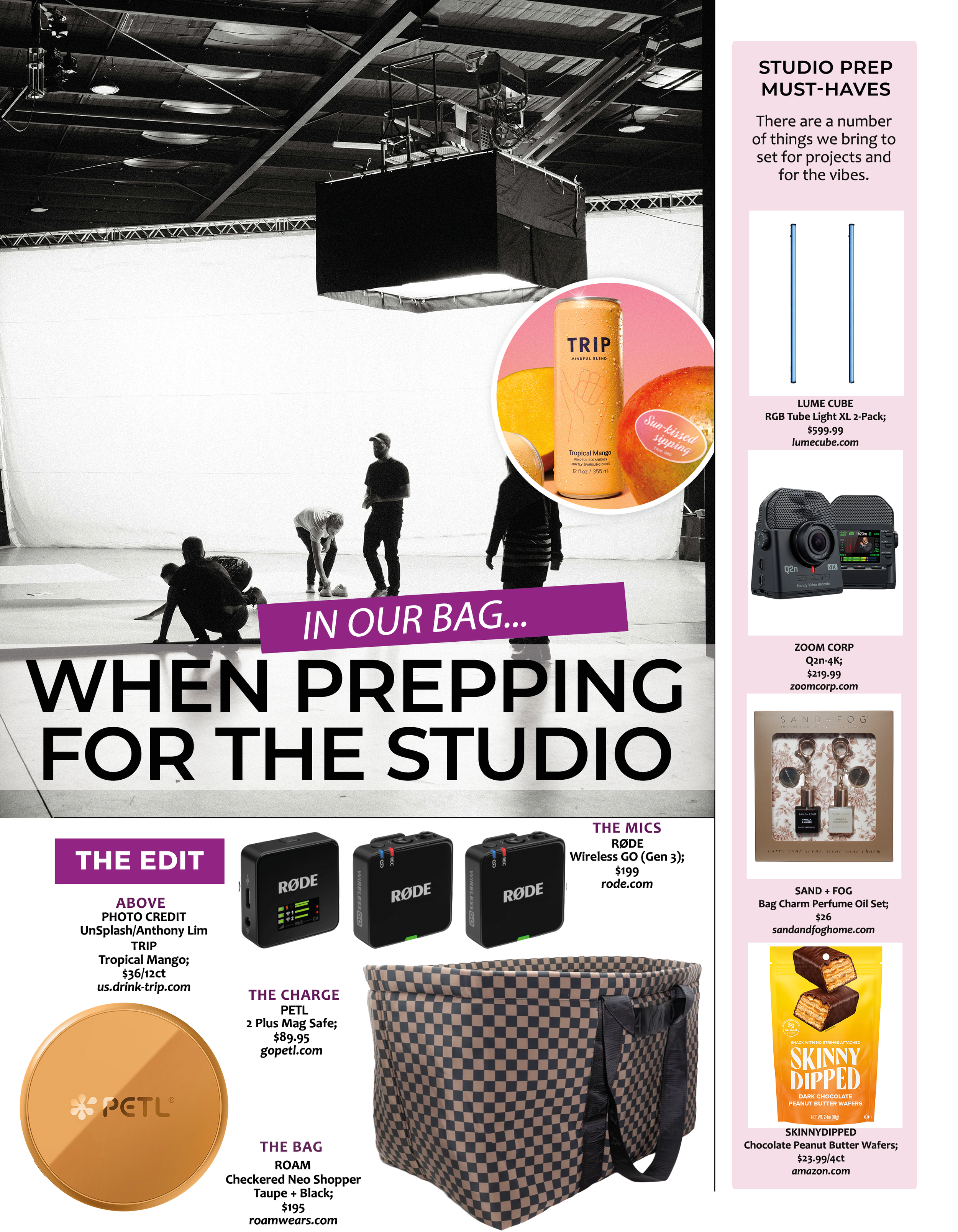

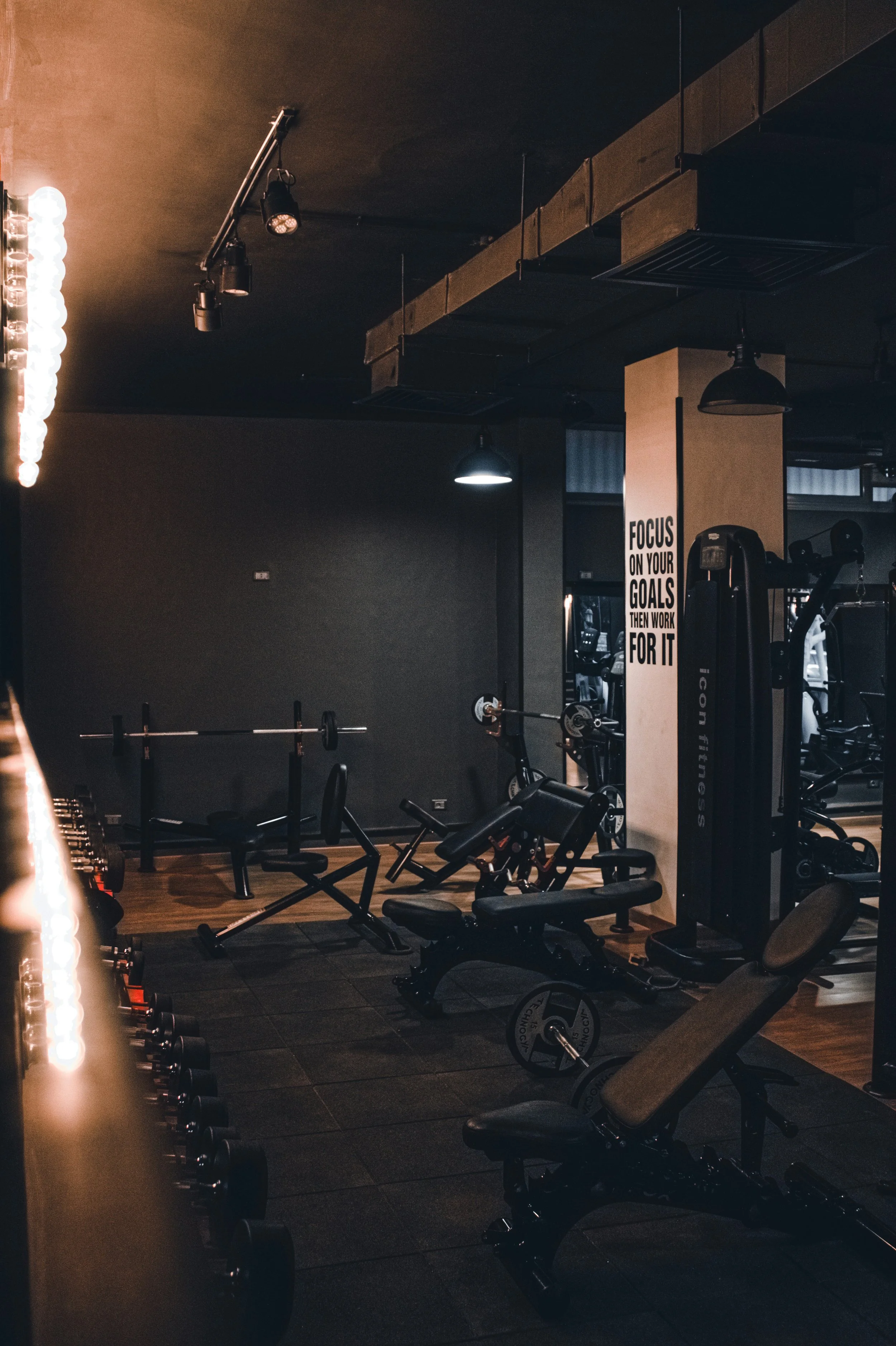
PHOTO CREDIT | Unsplash/Mohamed Fareed
10 GYM MEMBERSHIP FEATURES THAT CAN AFFECT THE PRICE
Gym membership prices can change based on the tier, equipment, multi-location access, guest privileges, personal training, group classes, pool, sauna and steam access, recovery amenities, tanning and red light therapy, and 24/7 access with extra perks. Read this article to learn how each of these 10 features can affect your membership cost and help you compare plans more clearly.
10 Gym Membership Features That Can Affect the Price
Membership Tier
The membership tier often has the biggest effect on gym pricing. Basic plans usually cost less and cover essential equipment and workout access. Higher tiers can add perks such as group classes, recovery amenities, guest access, or access to multiple locations. For example, Planet Fitness membership Cost can vary based on the membership tier and the benefits included. A basic plan may work well if you only need standard equipment and a home club. However, premium plans can offer more value if you regularly use extra services. Before choosing a tier, check the monthly rate along with enrollment and annual fees. Some gyms also charge more for premium benefits, so compare the total yearly cost rather than focusing only on the advertised monthly price.
Equipment and Facilities
The equipment and facilities available at a gym can directly affect membership costs. A basic gym with cardio machines, free weights, and strength equipment may offer lower prices. Gyms with pools, saunas, steam rooms, recovery areas, studios, or advanced equipment often charge more. Newer facilities may also place the gym in a higher price range. However, these features only add value when you actually use them. Check which amenities your membership includes before paying extra. If you mainly need weights and cardio machines, a basic plan may meet your needs without the added cost of premium facilities.
Multi-Location Access
Multi-location access can make a gym membership more expensive because it gives you greater flexibility. Lower-priced plans often limit you to one home location, while higher tiers may allow access to multiple clubs. Some memberships provide access across a city, state, country, or even internationally. This feature can help people who travel for work, attend school in different areas, or spend time between two homes. If you rarely visit another location, paying more may not make sense for your routine. Check the membership rules carefully because some gyms limit access to certain clubs or require a specific membership tier.
Guest Privileges
Guest privileges can affect gym membership prices, especially when a plan lets you bring friends or family regularly. Basic memberships may not include guest access, while higher tiers can offer free or discounted guest visits. Some gyms also limit how often you can bring a guest or restrict which amenities guests can use. If you frequently work out with another person, guest access can become an important part of your membership value. However, paying extra only makes sense if you will use the benefit. Always check guest rules, visit limits, and included amenities before choosing a higher-priced membership.
Personal Training
Personal training can raise the total cost of going to the gym because trainers often charge separately from the membership fee. Some gyms include basic fitness guidance or complimentary training sessions, while others sell one-on-one sessions as an additional service. Personal training can provide structured workouts, exercise instruction, and individual guidance, but you may not need it for every routine. Check whether your membership already includes coaching or fitness programs before paying extra. If you want regular one-on-one support, compare session prices and package costs. This helps you understand the real monthly expense beyond the standard membership fee.
Group Fitness Classes
Group fitness classes can raise gym membership prices when they add more value and variety. Basic memberships may include popular classes such as yoga, cycling, Zumba, or strength training, while premium plans may offer specialized sessions. Some gyms charge an extra fee for advanced or small-group classes. Memberships with unlimited class access can also cost more than plans with limited visits. Before paying more, check how many classes you can attend and whether the schedule fits your routine. If you regularly join classes, a higher-priced membership may provide more useful access. Occasional class users may prefer a cheaper plan with fewer options.
Pool, Sauna, and Steam Room Access
Pool, sauna, and steam room access can significantly affect gym membership prices. Gyms that maintain swimming pools often charge more because pools require extra space, cleaning, heating, and maintenance. Saunas and steam rooms can also come with higher-tier memberships or separate access fees. Some gyms include these amenities in premium plans but limit them in basic memberships. Availability can also vary by location, so check your specific club before joining. If you plan to swim or use heat rooms often, these features may add useful value. If you rarely use them, a lower-cost membership without these amenities may make more sense.
Recovery Amenities
Recovery amenities can increase membership prices because gyms must purchase and maintain specialized equipment. Features such as HydroMassage, massage chairs, recovery lounges, compression therapy, and stretching areas often appear in higher-tier plans. Some gyms include these services at no extra cost, while others charge separate fees or limit how often members can use them. Access rules also vary between locations and membership levels. If you regularly use recovery features after workouts, a premium plan may give you more convenient access. However, paying extra only makes sense when you will actually use these amenities enough to justify the higher monthly cost.
Tanning and Red Light Therapy
Tanning and red light therapy can affect gym membership prices when gyms include them as premium perks. Some fitness chains offer these amenities only with higher membership tiers, while others may provide separate paid access. Usage limits can also apply, such as restrictions on how often members can use tanning equipment or red light therapy. Availability may differ between locations, so check your local club before upgrading. These features can add value for members who use them regularly. If you mainly want access to workout equipment, paying more for tanning or red light therapy may add little value to your membership.
24/7 Access and Extra Perks
24/7 access can affect membership prices because gyms must support members outside normal staffed hours. Some gyms include round-the-clock access in standard plans, while others reserve it for certain memberships or locations. Extra perks can also raise costs, including guest passes, multi-location access, app features, discounts, and exclusive services. Check whether these benefits come with your chosen membership or require an upgrade. Think about how often you will use them before paying more. A premium plan can offer greater flexibility and convenience, but a basic plan may provide better value if you mainly need regular access to one gym.
The Latest

PHOTO CREDIT | Unsplash/Priscilla Du Preez 🇨🇦
HALLOWEEN COSTUMES FOR COUPLES: FUN IDEAS FOR TWO THAT STEAL THE SHOW
Halloween is more fun when you share it with someone special. If you are still deciding what to wear, browsing halloween costumes for couples is a great way to find a look that feels playful, romantic, and easy to pull off together. A matching theme turns a regular party into a shared adventure and gives you a built-in reason to laugh, pose for photos, and enjoy the night as a team.
Choose a theme you both enjoy
The best couple looks start with a shared idea, not just matching colors. Think about stories you both love, such as a vampire and his bride, a witch and a wizard, an angel and a devil, or a pirate and a mermaid. Contrasting themes can be just as fun as matching ones, especially when one partner plays the light side and the other the dark. Talk through the details together so your outfits feel like they belong in the same world. Pick a color palette that suits you both, and repeat it in small accents like gloves, belts, or jewelry. If one of you prefers a bold, dramatic outfit and the other likes something simpler, balance the look by giving the simpler costume one standout accessory, such as a cape, a crown, or a pair of wings.
Do not forget the finishing touches. Coordinated makeup, matching props, and a little acting can take your costumes from good to unforgettable. A lantern, a wand, a plastic sword, or a fake potion bottle gives you something to hold and makes photos far more interesting. Practice a few poses or a short skit ahead of time so you are ready when someone asks what you are dressed as.
Stay comfortable and plan ahead
Comfort matters when you plan to spend hours at a party. Choose fabrics that move well, test your shoes, and make sure hats, masks, and wings will not get in the way of dancing or sitting down. If you are heading outdoors, add tights, a cape, or a warm layer so the weather does not spoil the fun.
Popular styles and sizes sell out quickly as October gets closer, so it is smart to shop early. You can explore costumes, lingerie, and accessories at https://www.spicylingerie.com and put together both outfits in one visit. Check the size charts, read the fabric details, and order a few days before your event so there is time to try everything on and make small adjustments.
This Halloween, skip the last-minute scramble and create a look that shows off your chemistry. Choose a theme, add details that feel personal, and enjoy the night together. The best couple costume is the one that makes you both smile every time you look at each other.
The Latest

PHOTO CREDIT | Unsplash/Jon Matthews
FROM FIRST SERVE TO MATCH POINT: HOW TO BUILD THE ULTIMATE COURT-SIDE SETUP
Getting ready for a pickleball match involves more than picking up a paddle and heading to the court. Players may also need balls, water, towels, grips, eyewear, sunscreen, personal items, extra clothing, and backup equipment. Without a practical way to carry everything, preparation can become unnecessarily complicated.
A well-planned court-side setup keeps essential gear protected, organized, and accessible. The best approach depends on how often a player competes, how much equipment they bring, and whether they need enough storage for a quick recreational game or a full day of matches.
The goal is to create a setup that supports the way a player actually uses their equipment while keeping the overall load manageable.
What a Good Court-Side Bag Needs to Do
The first priority is protecting the paddle. Loose storage can expose paddles to keys, bottles, shoes, and other objects that may scratch or damage the surface. A dedicated sleeve or compartment helps keep the paddle secure during transportation and reduces unnecessary contact with other gear.
Organization is equally important. Players should be able to locate balls, grips, towels, eyewear, and personal belongings without emptying the entire bag. Separate pockets can make this easier, particularly when smaller accessories would otherwise disappear beneath clothing or equipment.
Players comparing pickleball bags for paddles can focus on practical details such as paddle capacity, compartment layout, carrying style, and space for additional court essentials. These features are more useful indicators than overall size alone.
Accessibility also deserves attention. Water, balls, and frequently used accessories should be stored where they can be reached quickly between games. Items used less often can remain in deeper compartments.
A functional bag should make equipment easier to manage from the moment a player leaves home until the end of the session.
Choosing the Right Size for the Way You Play
Storage needs vary considerably from one player to another.
A recreational player may only need room for one paddle, several balls, water, and a few personal belongings. In that case, a compact design can provide enough space without adding unnecessary weight.
Players who practice frequently, compete in leagues, or attend tournaments often carry more. A backup paddle, extra grips, towels, snacks, sunscreen, clothing, and footwear can require significantly more capacity.
Instead of selecting the largest available option, it helps to consider what typically goes to the court. A bag should hold regular essentials comfortably while leaving enough flexibility for occasional extras.
Paddle capacity also matters. Some players consistently use a single paddle, while others carry a backup or rotate between several options. Someone bringing multiple paddles may benefit from dedicated storage that prevents them from shifting against one another.
The appropriate size is therefore determined by routine, equipment load, and playing environment rather than by capacity alone.
Compartments Can Be More Useful Than Extra Space
A large main compartment may provide plenty of room, but space without structure can quickly become difficult to use.
Dedicated paddle sleeves help isolate the most important equipment. Small pockets can hold overgrips, tape, keys, wallets, phones, and eyewear. Separate ball storage prevents loose balls from moving throughout the bag, while exterior bottle pockets make hydration easier to reach during breaks.
Players who bring court shoes or a change of clothes may also prefer some separation between clean equipment and items worn during play. Damp towels and clothing should ideally be kept away from paddles, grips, and electronics.
The placement of each compartment should reflect how often its contents are needed. Frequently used items belong in accessible areas, while backup accessories can be stored farther inside.
A thoughtful layout can make a moderate amount of storage feel more practical than a larger, poorly divided interior.
Carrying Comfort Matters
The combined weight of paddles, balls, water, footwear, clothing, and personal items can add up quickly. Carrying comfort becomes especially relevant during tournament days, long club sessions, or walks between parking areas and courts.
Backpack-style designs distribute the load across both shoulders and can suit players carrying several items. Sling bags are often more practical for lighter loads and shorter trips. Wider padded straps may also reduce pressure when a bag is fully packed.
Packing technique affects comfort as well. Heavier items should be positioned so that the bag does not pull sharply toward one side. Using multiple compartments can help distribute weight more evenly and prevent equipment from collecting in one area.
Players should also review the contents of their bags periodically. Extra balls, old grips, unused accessories, empty packaging, and forgotten clothing can add weight without serving a purpose.
The most comfortable setup is usually one that carries the necessary equipment efficiently rather than the maximum amount possible.
Backpack, Sling, Duffel, or Tour-Style Setup?
Different bag formats serve different playing habits, so the most suitable option depends on how much equipment a player normally brings.
A sling bag works well for a light setup. It can accommodate a paddle, several balls, water, and a few small essentials while remaining compact and easy to carry. This format is often practical for short recreational sessions.
Backpacks provide more structured storage and balanced carrying. They can suit players who bring multiple paddles, accessories, hydration, and personal items while still wanting a format that is easy to transport.
Duffel-style bags provide additional room for shoes, towels, clothing, and larger quantities of equipment. Their usefulness depends on internal organization because a large open compartment can become cluttered if smaller items have no designated place.
Tour-style bags generally offer the greatest capacity. They may be appropriate for players who attend tournaments, carry several paddles, or spend long periods away from home. For shorter sessions, however, the added size may be unnecessary.
Choosing between these formats is easier when players consider their normal court routine instead of planning around rare situations.
Protecting Equipment Between Matches
Storage remains important after play ends.
Paddles should return to their designated compartment instead of being left loose in a vehicle or placed beneath heavier items. Proper storage reduces the risk of scratches, dents, and pressure damage.
Wet towels and clothing should be removed soon after a session. Leaving damp items inside can trap moisture around grips, accessories, and other equipment. Reusable water bottles should also be checked before the bag is stored to avoid leaks.
Smaller items benefit from consistent placement. Grips, tape, eyewear, and keys are easier to locate when they return to the same pocket after every session.
Periodic cleaning is useful as well. Removing worn-out accessories, empty packaging, and items that are no longer used keeps the bag lighter and makes the remaining equipment easier to find.
A simple storage routine can help preserve gear while reducing the amount of preparation required before the next match.
Court-Side Organization and Modern Pickleball Culture
Pickleball often combines competition, recreation, exercise, and social activity within the same session. Players may move between warmups, games, breaks, club activities, and conversations with other players over several hours.
That rhythm makes organized equipment especially useful. Paddles, balls, water, towels, and small accessories may be needed at different points throughout the day, so quick access can make the experience more convenient.
The growth of modern pickleball culture has also created a wider range of playing environments. A player might participate in neighborhood games one week, a club league the next, and a competitive event later in the season. A versatile storage setup can accommodate those changing situations without requiring a completely different approach each time.
Appearance can influence the choice as well. Players often carry their equipment through clubs, gyms, public courts, and social spaces. Still, practical considerations such as paddle protection, comfortable straps, usable compartments, and appropriate capacity should guide the decision.
The most useful setup is one that fits naturally into both the player's game and the routine surrounding it.
Build a Setup You Can Grab and Go
A reliable court-side setup should require minimal preparation before each session. Returning paddles and accessories to the same compartments after play makes it easier to see whether anything is missing.
Balls can be restocked when necessary, while grips, tape, sunscreen, eyewear, and similar essentials can be checked before leaving home. Damp towels and clothing should be removed after every session rather than left inside until the next game.
Keeping the bag organized also makes it easier to notice unnecessary items. A quick review from time to time prevents clutter from building up and keeps the overall load practical.
The ideal setup should feel straightforward to use. Equipment has a defined place, important items are easy to reach, and the bag carries everything needed without becoming overloaded. With that structure in place, players can spend less time managing their gear and more time focusing on the court.
The Latest
JOJOBA BEAUTY
Read the SEP ISSUE #128 of Athleisure Mag and see JOJOBA BEAUTY in mag.
The Latest